Best Welding for Structural Steel Fabrication in Canada
Compare welding methods for structural steel fabrication in Canada. GMAW vs FCAW vs SAW vs SMAW - cost, lead time, quality, and top providers.
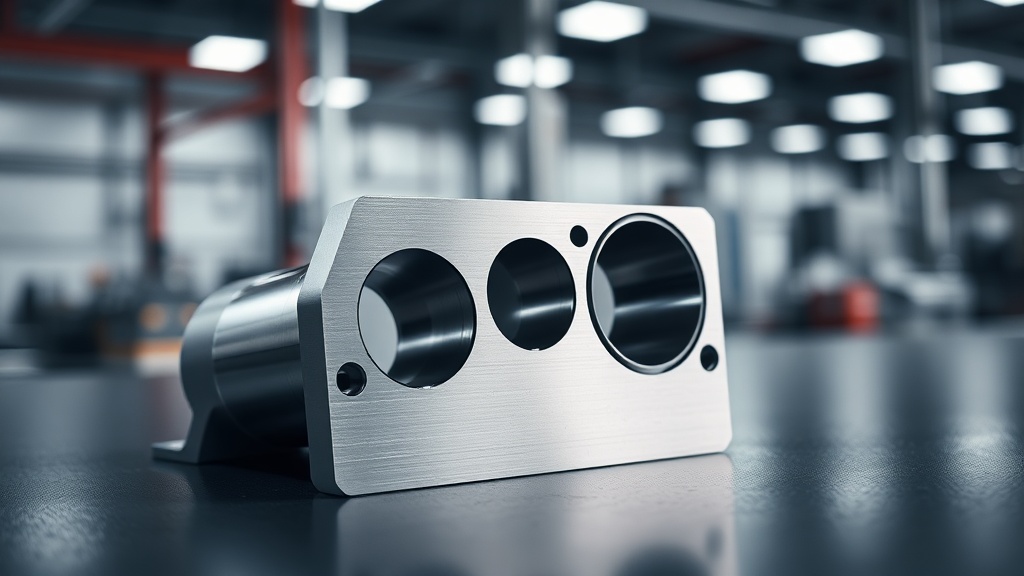
Welding for Structural Steel Fabrication: The Canadian Guide
Structural steel fabrication is one of Canada’s largest manufacturing sectors, supporting billions of dollars in annual construction across commercial buildings, bridges, industrial facilities, and infrastructure. Welding is the primary joining method, and the choice of process - GMAW, FCAW, SAW, or SMAW - determines productivity, quality, and cost for every connection in a structural steel project.
Canadian structural steel welding operates under a mandatory certification framework. The Canadian Welding Bureau (CWB) requires every shop and welder to be certified under CSA W47.1. This is not optional - building officials will reject structural steel from uncertified fabricators. The system ensures consistent weld quality across the industry, from small regional shops to the largest national fabricators.
Canada’s Structural Steel Ecosystem
Canada produces approximately 3.5 million tonnes of structural steel annually, with major fabrication clusters in Hamilton, Edmonton, Montreal, and the Lower Mainland of BC. The industry is supported by domestic steel mills (Algoma, Stelco, EVRAZ) and a well-developed supply chain of service centers, bolt suppliers, and coating applicators. This integrated ecosystem means fabricators can source material, fabricate, coat, and deliver structural steel without leaving the country - a significant advantage for projects with Canadian content requirements or IP sensitivity.
Comparison: Welding Methods
| Method | Cost | Lead Time | Quality | Best For | Rating |
|---|---|---|---|---|---|
| GMAW (MIG Welding) | $20–$80/linear meter | 5–15 days | Clean welds, good penetration on thin to medium plate, high deposition rate | Light to medium structural connections, HSS columns, beam-to-beam joints | ★★★★★ |
| FCAW (Flux-Cored Arc Welding) | $18–$70/linear meter | 5–15 days | Excellent penetration on thick plate, tolerant of mill scale and drafts | Heavy plate connections, field welding, bridge components, multi-pass joints | ★★★★★ |
| SAW (Submerged Arc Welding) | $12–$50/linear meter | 7–21 days | Highest deposition rate, deep penetration, excellent for long continuous welds | Plate girders, box columns, heavy built-up sections, repetitive long seams | ★★★★★ |
| SMAW (Stick Welding) | $25–$100/linear meter | 5–20 days | Versatile, all-position capability, no shielding gas required | Field erection, repair work, remote site fabrication, all-position joints | ★★★★★ |
When to Use Each Method
GMAW (MIG)
- Shop fabrication of light to medium structural steel in controlled environment
- HSS and tube connections where weld appearance matters
- Semi-automated or robotic welding cells for repetitive connections
FCAW
- Thick plate connections (>12mm) requiring deep penetration
- Outdoor or field welding where wind makes gas-shielded GMAW impractical
- Bridge and heavy infrastructure fabrication
SAW
- Long continuous welds on plate girders or box columns
- High-volume fabrication where deposition rate drives productivity
- Built-up beam sections with repetitive flange-to-web welds
SMAW (Stick)
- Field erection and site connections where portability is essential
- Repair welding on existing structures
- Remote locations without access to shielding gas supply
Top Canadian Welding Providers
We're currently vetting welding providers across Canada for structural steel fabrication. Join our waitlist to get matched with trusted suppliers when your spot opens.
Join the WaitlistFrequently Asked Questions
What certifications are required for structural steel welding in Canada?
What is the difference between CWB Division 1 and Division 2?
How does seismic design affect structural welding in Canada?
Can robotic welding be used for structural steel?
Get a Welding Quote for Structural Steel
Compare welding options for structural steel fabrication and get matched with the right Canadian manufacturer. Join our waitlist to get started.
Or email us at hello@theassembly.io
Explore related manufacturing decisions
Best 3D Printing for Aerospace Parts in Canada
Compare 3D printing technologies for aerospace parts in Canada. DMLS vs SLS vs MJF vs FDM - cost, lead time, quality, and top Canadian aerospace providers.
Best 3D Printing for Automotive Parts in Canada
Compare 3D printing technologies for automotive parts in Canada. SLS vs MJF vs DMLS vs FDM - cost, lead time, quality, and top Canadian providers.
Best 3D Printing for Dental Applications in Canada
Compare 3D printing technologies for dental applications in Canada. SLA vs DLP vs MJF vs milling - cost, lead time, quality, and top Canadian dental providers.
Manufacturing intel.
Every Tuesday.
Real costs, vetted Canadian suppliers, and government funding alerts. One free email a week.
Unsubscribe anytime. Your data stays in Canada.