Best 3D Printing for Automotive Parts in Canada
Compare 3D printing technologies for automotive parts in Canada. SLS vs MJF vs DMLS vs FDM - cost, lead time, quality, and top Canadian providers.
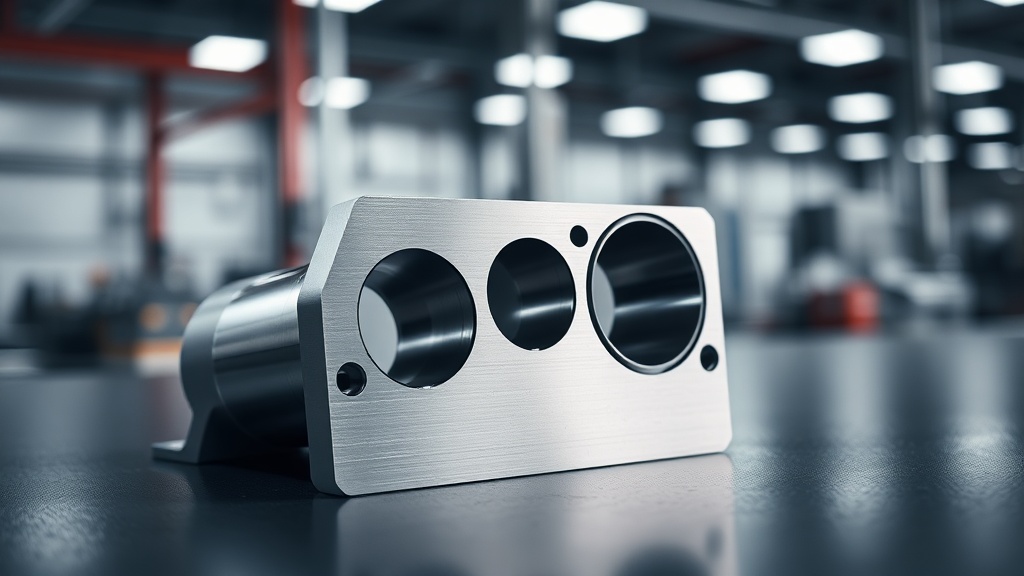
3D Printing for Automotive Parts: The Canadian Guide
Canada’s automotive corridor - stretching from Windsor through the GTA to Montreal - produces over 1.5 million vehicles annually and supports hundreds of Tier 1 and Tier 2 suppliers. 3D printing has moved far beyond prototyping in this sector. OEMs and their suppliers now use additive manufacturing for production-grade interior components, under-hood brackets, assembly line tooling, and lightweight metal parts for EV platforms.
The economics are compelling for low-to-mid volume production. MJF and SLS deliver polymer parts at $8-90 each with no tooling investment, making them ideal for the fragmented model variants and frequent design changes that define modern automotive programs. For metal components, DMLS enables topology-optimized brackets and housings that cut weight by 40-60% - a critical advantage as automakers race to extend EV range.
CUSMA and the Canadian Advantage
Automotive parts manufactured in Canada qualify for CUSMA (formerly NAFTA) preferential treatment when shipped to US and Mexican assembly plants. This eliminates tariffs that would apply to parts sourced from overseas. Combined with shorter supply chains, lower logistics costs, and IP protection under Canadian law, domestic 3D printing gives automotive suppliers a practical edge over offshore alternatives.
Comparison: 3D Printing Methods
| Method | Cost | Lead Time | Quality | Best For | Rating |
|---|---|---|---|---|---|
| Multi Jet Fusion (MJF) | $8–$55/part | 3–5 days | Consistent PA12 parts, good impact resistance, automotive-grade surface finish | Interior trim clips, HVAC ducting, under-hood cable guides, production jigs | ★★★★★ |
| Selective Laser Sintering (SLS) | $15–$90/part | 3–7 days | High-strength nylon, excellent fatigue life, chemical resistant | Under-hood brackets, fluid connectors, structural prototypes | ★★★★★ |
| Direct Metal Laser Sintering (DMLS) | $120–$1,800/part | 7–14 days | Full-density metal parts, tensile strength matches wrought equivalents | Lightweight suspension brackets, turbo housings, EV motor mounts | ★★★★★ |
| Fused Deposition Modeling (FDM) | $5–$40/part | 1–3 days | ABS, ASA, and polycarbonate options, good for form-fit validation | Design validation prototypes, assembly jigs, gauge fixtures | ★★★★★ |
When to Use Each Method
MJF
- You need 50-5,000 production-grade polymer parts per run
- Interior or under-hood parts require consistent mechanical properties
- Fast iteration on clip, bracket, or connector geometries
SLS
- Parts must withstand high temperatures and chemical exposure under-hood
- Nylon PA11 or PA12 parts with good fatigue life are required
- Functional prototypes need to survive road testing
DMLS
- Lightweighting metal components for EV range optimization
- Low-volume metal parts where CNC machining is too wasteful
- Complex internal channels for cooling or fluid routing
FDM
- Rapid design validation before committing to production tooling
- Assembly line jigs and fixtures needed within 24-48 hours
- Low-cost fit checks for body panel and interior mockups
Top Canadian 3D Printing Providers
We're currently vetting 3d printing providers across Canada for automotive parts. Join our waitlist to get matched with trusted suppliers when your spot opens.
Join the WaitlistFrequently Asked Questions
Can 3D printed parts meet automotive OEM quality standards?
How does 3D printing reduce automotive development timelines?
Is 3D printing cost-effective for automotive production volumes?
What automotive certifications do Canadian 3D printing providers hold?
Get a 3D Printing Quote for Automotive Parts
Compare 3d printing options for automotive parts and get matched with the right Canadian manufacturer. Join our waitlist to get started.
Or email us at hello@theassembly.io
Explore related manufacturing decisions
Best 3D Printing for Aerospace Parts in Canada
Compare 3D printing technologies for aerospace parts in Canada. DMLS vs SLS vs MJF vs FDM - cost, lead time, quality, and top Canadian aerospace providers.
Best 3D Printing for Dental Applications in Canada
Compare 3D printing technologies for dental applications in Canada. SLA vs DLP vs MJF vs milling - cost, lead time, quality, and top Canadian dental providers.
Best 3D Printing for Educational Institutions in Canada
Compare 3D printing technologies for educational institutions in Canada. FDM vs SLA vs MJF vs SLS - cost, lead time, quality, and top providers for universities and colleges.
Best Casting for Automotive Parts in Canada
Compare casting methods for automotive parts in Canada. Die casting vs sand casting vs investment casting vs lost foam - cost, lead time, and quality.
Best Injection Molding for Automotive Parts in Canada
Compare injection molding methods for automotive parts in Canada. Thermoplastic vs structural foam vs overmolding vs gas-assist - cost, lead time, quality, and top providers.
3D Printing for Jewelry (2026): SLA, DLP, DMLS Costs $2–$500/piece
Canadian pricing, lead times, and provider comparison for SLA, DLP, DMLS, and lost-wax patterns — the 4 methods jewelers actually use.
Manufacturing intel.
Every Tuesday.
Real costs, vetted Canadian suppliers, and government funding alerts. One free email a week.
Unsubscribe anytime. Your data stays in Canada.