Best Sheet Metal Fabrication for HVAC Ductwork and Components in Canada
Compare sheet metal methods for HVAC ductwork and components in Canada. Plasma table vs laser cutting vs coil line vs lock-forming - cost, lead time, quality, and top providers.
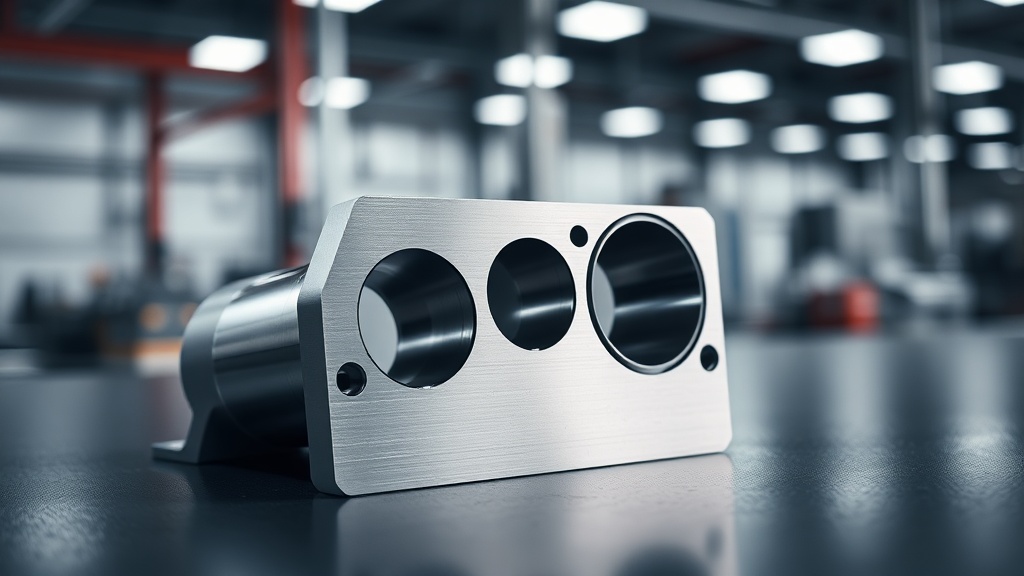
Sheet Metal for HVAC Components: The Canadian Guide
HVAC ductwork and components represent one of the highest-volume applications for sheet metal fabrication in Canada. Every commercial building, industrial facility, and residential development requires ducting systems, and Canadian fabricators produce millions of linear feet annually using a mix of automated coil lines and precision CNC fabrication.
The fabrication method depends on the component type: standard straight runs come off automated spiral or rectangular duct lines at high speed and low cost, while custom transitions, plenums, damper housings, and equipment enclosures require laser cutting and press brake forming for precision fit. Industrial applications add heavy-gauge requirements and corrosion-resistant materials that shift the process toward plasma cutting and specialized forming.
Climate-Driven Demand
Canada’s extreme temperature range - from -40C winters to +35C summers - puts exceptional demands on HVAC systems. Ductwork must handle thermal expansion, condensation control, and insulation integration that go beyond temperate-climate specifications. Canadian fabricators understand these requirements natively, producing duct systems designed for the thermal and moisture loads that domestic buildings actually experience. Energy efficiency regulations under the National Energy Code of Canada drive demand for tighter duct construction with lower leakage rates, pushing the market toward automated seam-sealed spiral duct and precision-fit rectangular systems.
Comparison: Sheet Metal Fabrication Methods
| Method | Cost | Lead Time | Quality | Best For | Rating |
|---|---|---|---|---|---|
| Automated Coil Line (Spiral and Rectangular Duct) | $8–$40/linear foot | 3–7 days | Consistent gauge, airtight seams, SMACNA-compliant, high throughput | Standard round and rectangular ductwork, high-volume commercial runs | ★★★★★ |
| Laser Cutting + Press Brake Forming | $15–$120/part | 5–10 days | Tight tolerances, clean edges, ideal for custom fittings and transitions | Custom transitions, plenums, damper housings, VAV boxes | ★★★★★ |
| Plasma Cutting + Roll Forming | $5–$60/part | 3–7 days | Cost-effective for heavier gauge, good for industrial HVAC components | Industrial exhaust hoods, heavy-gauge ductwork, rooftop unit curbs | ★★★★★ |
| Lock-Forming and Pittsburgh Seam | $4–$25/linear foot | 2–5 days | Standard field-assembled connections, fast production, proven reliability | Residential and light commercial rectangular duct, branch lines | ★★★★★ |
When to Use Each Method
Automated Coil Line
- Project requires hundreds of linear feet of standard round or rectangular duct
- Specifications call for spiral duct with airtight seams
- Commercial building HVAC systems with SMACNA pressure class requirements
Laser + Press Brake
- Custom transitions, offsets, or non-standard geometries are needed
- VAV boxes, damper housings, or equipment enclosures with tight tolerances
- Stainless steel or aluminum ductwork for cleanroom or food processing
Plasma + Roll Forming
- Heavy-gauge duct (16ga+) for industrial exhaust or fume extraction
- Rooftop unit curbs and structural HVAC supports
- Budget-constrained industrial projects where edge finish is secondary
Lock-Forming
- Residential or light commercial rectangular duct in standard sizes
- Fast turnaround on field-assembled duct sections
- Contractor needs stock and custom lengths on short notice
Top Canadian Sheet Metal Fabrication Providers
We're currently vetting sheet metal fabrication providers across Canada for hvac ductwork and components. Join our waitlist to get matched with trusted suppliers when your spot opens.
Join the WaitlistFrequently Asked Questions
What standards govern HVAC ductwork fabrication in Canada?
What materials are used for HVAC sheet metal in Canada?
What gauge thickness is standard for HVAC ductwork?
Can Canadian HVAC fabricators handle both custom and standard ductwork?
Get a Sheet Metal Quote for HVAC Components
Compare sheet metal fabrication options for hvac ductwork and components and get matched with the right Canadian manufacturer. Join our waitlist to get started.
Or email us at hello@theassembly.io
Explore related manufacturing decisions
Best Sheet Metal Fabrication for Enclosures in Canada
Compare sheet metal fabrication methods for enclosures in Canada. Laser cutting vs press brake vs turret punch vs waterjet - cost, precision, and top Canadian providers.
Best 3D Printing for Aerospace Parts in Canada
Compare 3D printing technologies for aerospace parts in Canada. DMLS vs SLS vs MJF vs FDM - cost, lead time, quality, and top Canadian aerospace providers.
Best 3D Printing for Automotive Parts in Canada
Compare 3D printing technologies for automotive parts in Canada. SLS vs MJF vs DMLS vs FDM - cost, lead time, quality, and top Canadian providers.
Best 3D Printing for Dental Applications in Canada
Compare 3D printing technologies for dental applications in Canada. SLA vs DLP vs MJF vs milling - cost, lead time, quality, and top Canadian dental providers.
Manufacturing intel.
Every Tuesday.
Real costs, vetted Canadian suppliers, and government funding alerts. One free email a week.
Unsubscribe anytime. Your data stays in Canada.