Best Manufacturing Process for Robotics in Canada
Compare manufacturing processes for robotics parts in Canada. CNC machining vs 3D printing vs sheet metal vs injection molding - cost, lead time, quality.
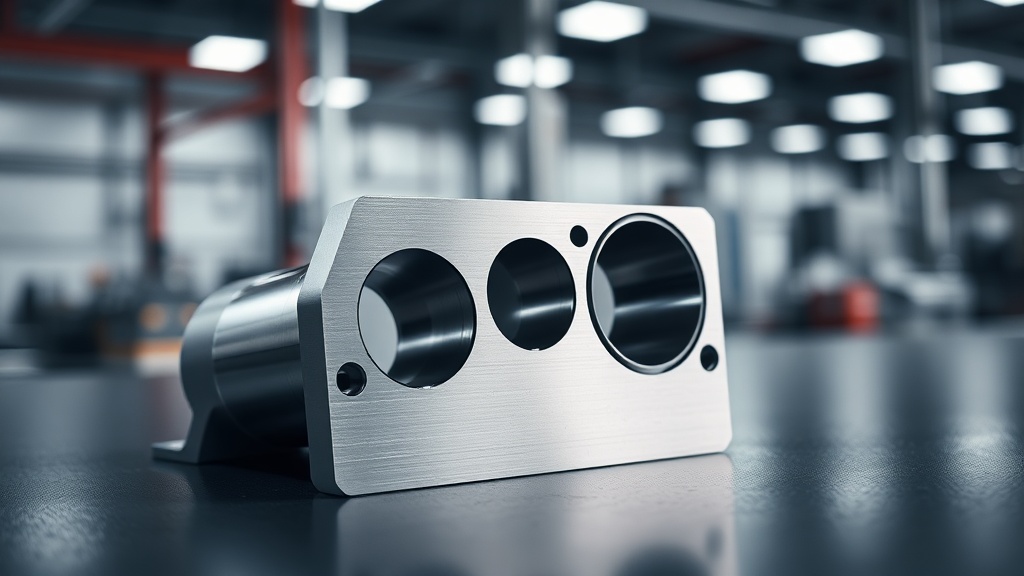
Manufacturing Process for Robotics: The Complete Guide
Robotics manufacturing is inherently multi-process. A single robot might require CNC machined aluminum gearbox housings, 3D printed end effectors, sheet metal body panels, and injection-molded cosmetic covers - each optimized for its specific function. Canadian robotics companies, concentrated in hubs like Kitchener-Waterloo, Montreal, and Vancouver, need manufacturing partners who understand this complexity and can deliver across process types.
The robotics industry moves fast. Design cycles are measured in weeks, not months, and the ability to iterate quickly on physical prototypes is a competitive advantage. This makes 3D printing and CNC machining the backbone of robotics R&D, with sheet metal and injection molding entering the picture as products move toward production.
Why Canadian Manufacturing for Robotics?
Canada’s robotics ecosystem benefits from world-class AI and computer science research (University of Toronto, Mila, University of Waterloo), a growing cluster of robotics startups, and government R&D incentives (SR&ED, NRC IRAP) that offset development costs. The Assembly network provides the manufacturing layer this ecosystem needs - connecting software-focused robotics teams with the machining, printing, and fabrication capabilities required to turn designs into physical products.
From Lab to Production
The biggest challenge in robotics manufacturing is scaling from hand-built prototypes to production-ready units. Each process transition - from 3D printed to machined, from hand-wired to overmolded - requires design changes. Working with manufacturing partners early in development through the Assembly network ensures that parts are designed for their eventual production process from the start.
Comparison: Manufacturing Process Methods
| Method | Cost | Lead Time | Quality | Best For | Rating |
|---|---|---|---|---|---|
| CNC Machining (Aluminum and Steel) | $50–$1,500/part | 5–12 days | Tight tolerances (±0.01mm), excellent strength, precision fits | Gearbox housings, motor mounts, joint assemblies, structural chassis plates | ★★★★★ |
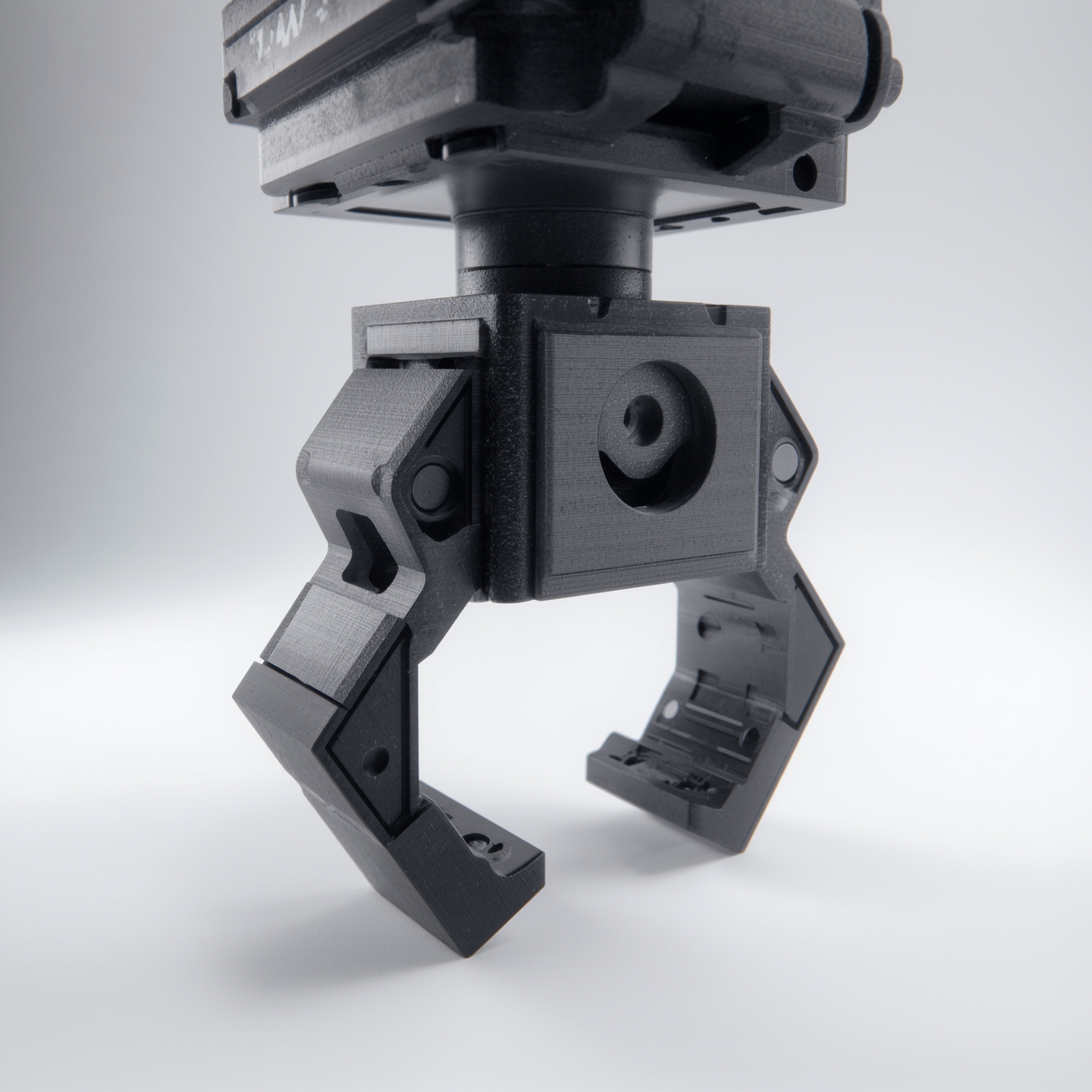
| 3D Printing (MJF/SLS/DMLS) | $8–$500/part | 2–7 days | Complex geometries, lightweight lattice structures, rapid iteration | End effectors, grippers, custom brackets, sensor housings, prototypes | ★★★★★ |
| Sheet Metal Fabrication | $15–$300/part | 5–10 days | Lightweight enclosures, good strength-to-weight, easy to modify | Robot body panels, electronics enclosures, guards, base plates | ★★★★★ |
| Injection Molding | $0.50–$10/part | 6–10 weeks (tooling), 1–3 days (production) | Consistent cosmetic parts, integrated features, production volumes | Exterior covers, consumer-facing housings, cable management, 5,000+ units | ★★★★★ |
When to Use Each Method
CNC Machining
- Structural components must handle high loads with precise alignment
- Gearbox housings and motor mounts require tight bore tolerances
- Metal-to-metal interfaces need precision fits for joint assemblies
3D Printing
- Rapid design iteration during R&D requires parts in 1-3 days
- End effectors and grippers need complex geometry optimized for weight
- Low-volume custom sensor brackets and cable routing need quick turnaround
Sheet Metal Fabrication
- Enclosures and panels need to be lightweight and easily modified
- EMI shielding for electronics compartments is required
- Base plates and mounting frames need quick turnaround
Injection Molding
- Consumer-facing robot products need cosmetic exterior parts at volume
- Cable management clips, guards, and covers exceed 5,000 units
Top Canadian Manufacturing Process Providers
We're currently vetting manufacturing process providers across Canada for robotics. Join our waitlist to get matched with trusted suppliers when your spot opens.
Join the WaitlistFrequently Asked Questions
What manufacturing processes do most robotics companies use?
How can 3D printing reduce robotics development costs?
What materials are best for structural robot components?
Can a single supplier handle all robotics manufacturing needs?
Get a Manufacturing Quote for Robotics
Compare manufacturing process options for robotics and get matched with the right Canadian manufacturer. Join our waitlist to get started.
Or email us at hello@theassembly.io
Explore related manufacturing decisions
Best Manufacturing Process for Consumer Products in Canada
Compare manufacturing processes for consumer products in Canada. Injection molding vs 3D printing vs CNC vs vacuum forming - cost, volume, quality, and recommendations.
Best Manufacturing Process for EV Components in Canada
Compare manufacturing processes for EV components in Canada. Die casting vs CNC machining vs stamping vs 3D printing - cost, lead time, and quality.
Best 3D Printing for Aerospace Parts in Canada
Compare 3D printing technologies for aerospace parts in Canada. DMLS vs SLS vs MJF vs FDM - cost, lead time, quality, and top Canadian aerospace providers.
Best 3D Printing for Automotive Parts in Canada
Compare 3D printing technologies for automotive parts in Canada. SLS vs MJF vs DMLS vs FDM - cost, lead time, quality, and top Canadian providers.
Best 3D Printing for Dental Applications in Canada
Compare 3D printing technologies for dental applications in Canada. SLA vs DLP vs MJF vs milling - cost, lead time, quality, and top Canadian dental providers.
Manufacturing intel.
Every Tuesday.
Real costs, vetted Canadian suppliers, and government funding alerts. One free email a week.
Unsubscribe anytime. Your data stays in Canada.