Best Manufacturing Process for EV Components in Canada
Compare manufacturing processes for EV components in Canada. Die casting vs CNC machining vs stamping vs 3D printing - cost, lead time, and quality.
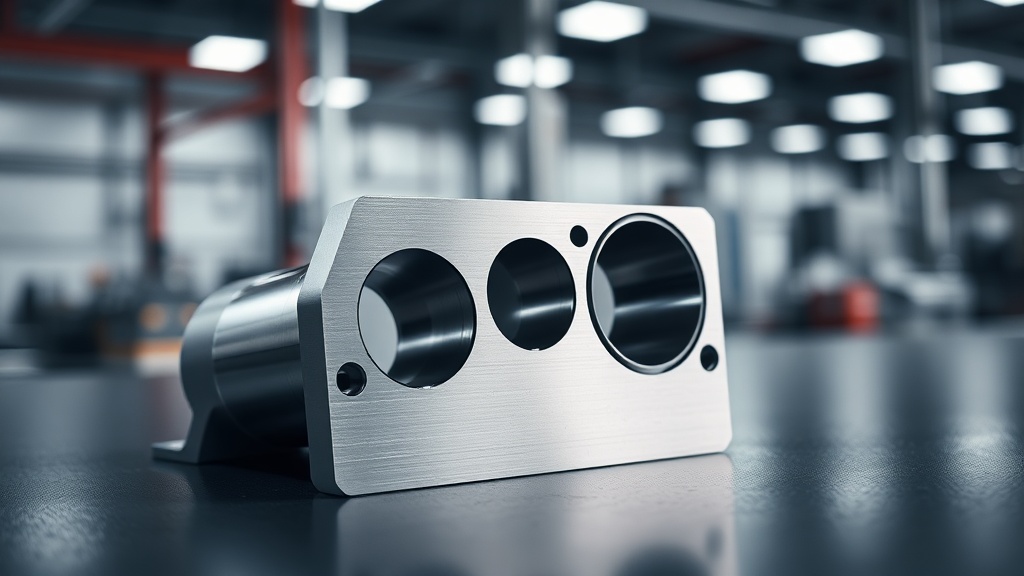
Manufacturing Process for EV Components: The Complete Guide
Electric vehicle manufacturing requires a diverse set of processes - from massive aluminum die castings for battery enclosures to precision-stamped copper bus bars for power distribution. Canada’s automotive manufacturing corridor is rapidly retooling for EV production, supported by billions in government incentives and new battery manufacturing investments from Stellantis/LG, Volkswagen/PowerCo, and Northvolt.
The EV transition is creating demand for components that traditional automotive suppliers have never produced - battery module housings, electric motor lamination stacks, high-voltage bus bars, and thermal management systems. Canadian manufacturers with the right equipment, materials expertise, and quality certifications are positioned to capture this growing market.
Why Canadian Manufacturing for EV Components?
Canada offers a unique combination of raw material access (lithium, nickel, cobalt, graphite), manufacturing infrastructure, clean energy for low-carbon production, and government incentives that make it one of the most attractive jurisdictions for EV supply chain investment globally. The IRA and Canadian Critical Minerals Strategy are driving billions in investment into Canadian battery and EV component manufacturing.
The Vertically Integrated EV Supply Chain
From mining to manufacturing to assembly, Canada is building a vertically integrated EV supply chain. The Assembly network connects EV companies with manufacturers at every stage - from prototype CNC machining through production die casting and stamping - enabling a seamless transition from development to mass production without leaving the country.
Comparison: Manufacturing Process Methods
| Method | Cost | Lead Time | Quality | Best For | Rating |
|---|---|---|---|---|---|
| High Pressure Die Casting | $5–$80/part | 10–16 weeks (tooling), 1–3 days (production) | Lightweight aluminum structures, excellent thermal conductivity, high volume | Battery enclosures, motor housings, structural underbody castings, 5,000+ units | ★★★★★ |
| CNC Machining | $50–$2,000/part | 5–15 days | Tight tolerances (±0.01mm), any material, no tooling required | Motor shafts, inverter housings, prototype components, thermal management plates | ★★★★★ |
| Progressive Die Stamping | $0.50–$15/part | 8–12 weeks (tooling), 1–2 days (production) | High-speed production, excellent consistency, thin-gauge metals | Bus bars, battery contacts, motor laminations, brackets, 50,000+ units | ★★★★★ |
| Metal 3D Printing (DMLS) | $100–$3,000/part | 5–14 days | Complex internal cooling channels, topology optimized, no tooling | Thermal management prototypes, custom motor brackets, low-volume specialty parts | ★★★★★ |
When to Use Each Method
High Pressure Die Casting
- Battery enclosures or motor housings require lightweight aluminum at scale
- Structural underbody components must replace multi-part welded assemblies
- Thermal management requires integrated cooling channels in the casting
CNC Machining
- Prototype and pre-production components need quick turnaround
- Motor shafts and precision rotational components require tight tolerances
- Low-volume specialty EV builds need parts without tooling investment
Progressive Die Stamping
- Copper or aluminum bus bars for battery packs need high-volume production
- Electric motor laminations require precise silicon steel stampings
- Brackets and structural sheet metal parts exceed 50,000 units annually
Metal 3D Printing
- Thermal management components need internal conformal cooling channels
- Topology-optimized brackets reduce weight beyond what machining can achieve
Top Canadian Manufacturing Process Providers
We're currently vetting manufacturing process providers across Canada for ev components. Join our waitlist to get matched with trusted suppliers when your spot opens.
Join the WaitlistFrequently Asked Questions
What manufacturing processes are used for EV battery enclosures?
How is the mega-casting trend affecting EV manufacturing in Canada?
What materials are best for EV thermal management components?
Can Canadian manufacturers support EV production volumes?
Get a Manufacturing Quote for EV Components
Compare manufacturing process options for ev components and get matched with the right Canadian manufacturer. Join our waitlist to get started.
Or email us at hello@theassembly.io
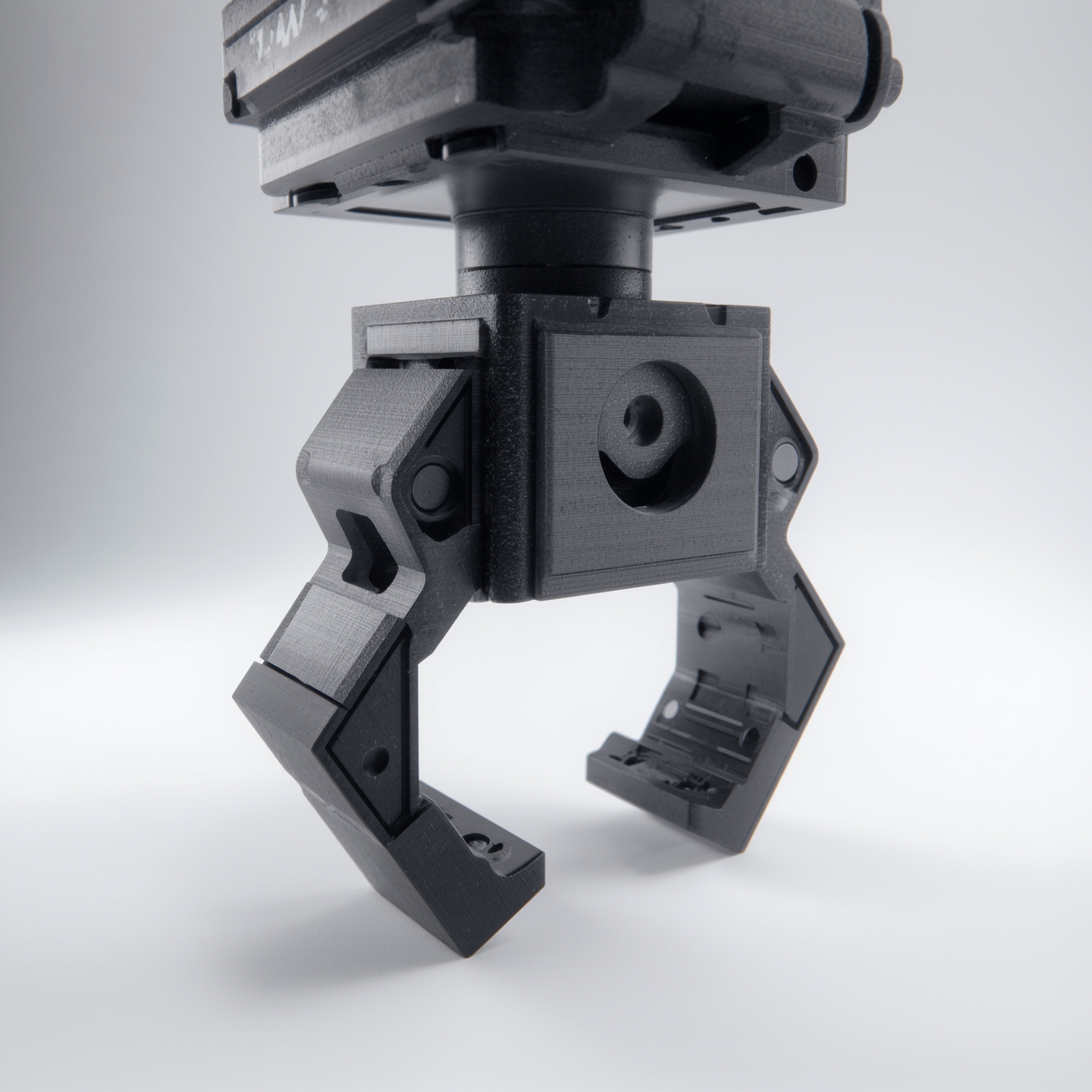
Explore related manufacturing decisions
Best Manufacturing Process for Consumer Products in Canada
Compare manufacturing processes for consumer products in Canada. Injection molding vs 3D printing vs CNC vs vacuum forming - cost, volume, quality, and recommendations.
Best Manufacturing Process for Robotics in Canada
Compare manufacturing processes for robotics parts in Canada. CNC machining vs 3D printing vs sheet metal vs injection molding - cost, lead time, quality.
Best 3D Printing for Aerospace Parts in Canada
Compare 3D printing technologies for aerospace parts in Canada. DMLS vs SLS vs MJF vs FDM - cost, lead time, quality, and top Canadian aerospace providers.
Best 3D Printing for Automotive Parts in Canada
Compare 3D printing technologies for automotive parts in Canada. SLS vs MJF vs DMLS vs FDM - cost, lead time, quality, and top Canadian providers.
Best 3D Printing for Dental Applications in Canada
Compare 3D printing technologies for dental applications in Canada. SLA vs DLP vs MJF vs milling - cost, lead time, quality, and top Canadian dental providers.
Manufacturing intel.
Every Tuesday.
Real costs, vetted Canadian suppliers, and government funding alerts. One free email a week.
Unsubscribe anytime. Your data stays in Canada.