Best Laser Cutting for Architectural Metalwork in Canada
Compare laser cutting methods for architectural metalwork in Canada. Fiber laser vs CO2 laser vs waterjet vs plasma - cost, lead time, quality, and top providers.
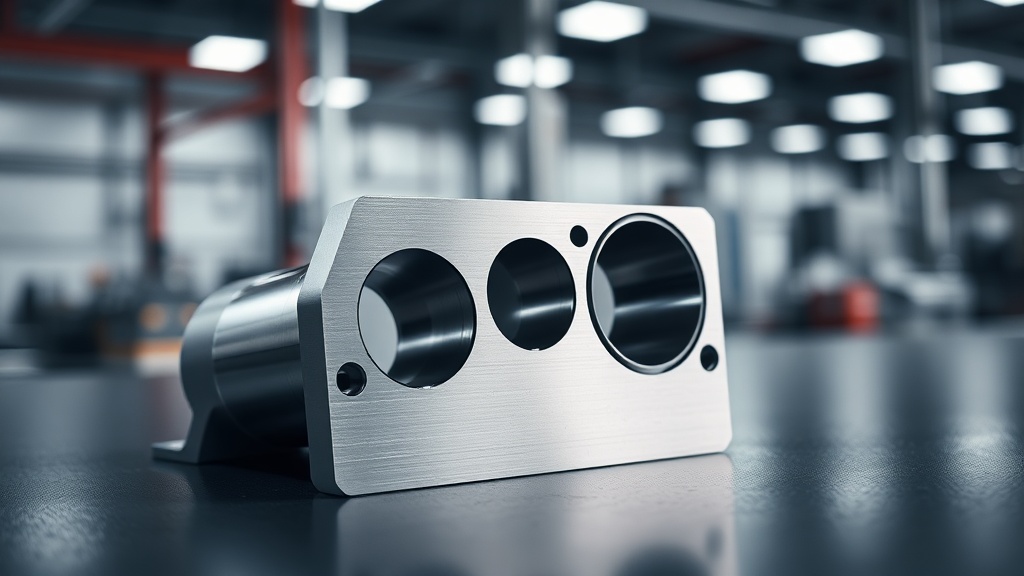
Laser Cutting for Architectural Metalwork: The Canadian Guide
Laser cutting has transformed architectural metalwork from a craft-limited specialty into a digitally-driven production process. Architects and designers now specify intricate perforated facades, decorative screens, custom railings, and feature walls that would have been prohibitively expensive with traditional methods. Modern fiber lasers cut complex patterns from steel, stainless, aluminum, brass, and copper with millimeter precision at speeds that make custom work economically viable.
Canadian fabricators serve a construction market that values both design ambition and performance in demanding climates. From corten steel facade screens on Toronto condominiums to stainless steel railings in Vancouver’s coastal environment, laser-cut architectural metalwork must withstand freeze-thaw cycles, salt exposure, and high wind loads while maintaining visual precision.
The Digital Fabrication Advantage
The shift from manual layout to digital fabrication means that a complex decorative panel costs only marginally more than a simple one - the laser follows the programmed path regardless of complexity. This unlocks design freedom that architects increasingly exploit. Parametric patterns, gradient perforations, and site-specific custom geometries are all produced from the same digital-to-cut workflow. Canadian fabricators equipped with fiber lasers running at 6-12kW cut architectural-gauge steel and aluminum at speeds that keep project timelines competitive with conventional metalwork.
Comparison: Laser Cutting Methods
| Method | Cost | Lead Time | Quality | Best For | Rating |
|---|---|---|---|---|---|
| Fiber Laser Cutting | $5–$80/part | 3–7 days | Clean edges on steel up to 25mm, minimal heat-affected zone, tight nesting | Decorative panels, facade screens, railings, signage, staircase components | ★★★★★ |
| CO2 Laser Cutting | $8–$100/part | 3–7 days | Excellent edge quality on acrylics and wood, good on thin metals | Mixed-material projects combining metal and acrylic, interior feature walls | ★★★★★ |
| Waterjet Cutting | $15–$150/part | 5–10 days | No heat distortion, cuts stone, glass, and composites alongside metal | Stone inlays, glass features, thick aluminum panels, heat-sensitive assemblies | ★★★★★ |
| Plasma Cutting | $3–$40/part | 2–5 days | Good for thick steel (>12mm), rougher edge than laser, cost-effective | Heavy structural steel art, thick plate signage, industrial-aesthetic features | ★★★★★ |
When to Use Each Method
Fiber Laser
- Decorative metal panels or screens with intricate patterns
- Stainless steel or corten steel facades requiring clean, finished edges
- High-volume architectural components with consistent repeatability
CO2 Laser
- Projects combine metal elements with acrylic or wood features
- Interior installations where acrylic edge clarity matters
- Thin gauge metals for lightweight interior applications
Waterjet
- Materials include stone, glass, or composites alongside metal
- Thick aluminum panels where heat distortion is unacceptable
- Precision inlay work combining multiple material types
Plasma
- Thick steel plate (>12mm) for structural or industrial-aesthetic projects
- Budget is constrained and edges will be ground or finished post-cut
- Large-scale outdoor installations where edge finish is less critical
Top Canadian Laser Cutting Providers
We're currently vetting laser cutting providers across Canada for architectural metalwork. Join our waitlist to get matched with trusted suppliers when your spot opens.
Join the WaitlistFrequently Asked Questions
What metals work best for laser-cut architectural features?
How large can laser-cut architectural panels be?
What finishes are available for laser-cut architectural metalwork?
Do Canadian building codes affect laser-cut metalwork specifications?
Get a Laser Cutting Quote for Architectural Metalwork
Compare laser cutting options for architectural metalwork and get matched with the right Canadian manufacturer. Join our waitlist to get started.
Or email us at hello@theassembly.io
Explore related manufacturing decisions
Best 3D Printing for Aerospace Parts in Canada
Compare 3D printing technologies for aerospace parts in Canada. DMLS vs SLS vs MJF vs FDM - cost, lead time, quality, and top Canadian aerospace providers.
Best 3D Printing for Automotive Parts in Canada
Compare 3D printing technologies for automotive parts in Canada. SLS vs MJF vs DMLS vs FDM - cost, lead time, quality, and top Canadian providers.
Best 3D Printing for Dental Applications in Canada
Compare 3D printing technologies for dental applications in Canada. SLA vs DLP vs MJF vs milling - cost, lead time, quality, and top Canadian dental providers.
Manufacturing intel.
Every Tuesday.
Real costs, vetted Canadian suppliers, and government funding alerts. One free email a week.
Unsubscribe anytime. Your data stays in Canada.