Best Injection Molding for Packaging in Canada
Compare injection molding methods for packaging in Canada. Thin-wall vs standard vs blow molding vs thermoforming - cost, lead time, quality, and providers.
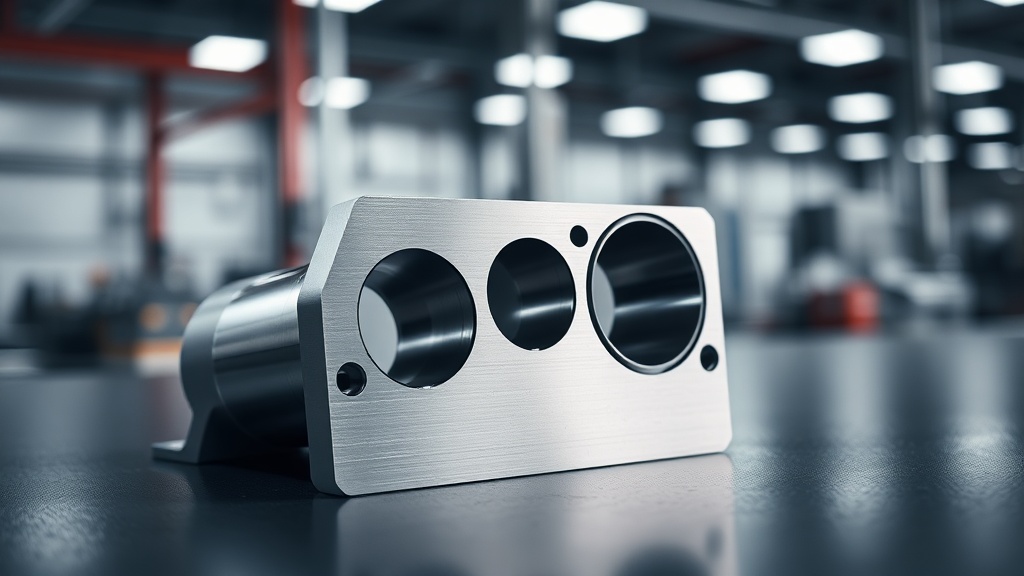
Injection Molding for Packaging: The Complete Guide
Packaging injection molding is a high-volume, high-speed discipline where cycle times of 3-8 seconds and cavity counts of 16-64 are standard. Canadian injection molders serve the food and beverage, pharmaceutical, cosmetic, and consumer goods industries with packaging that meets stringent food safety, regulatory, and sustainability requirements. From thin-wall dairy containers to precision pharmaceutical closures, the right molding process and partner determine both cost and quality.
The packaging industry is undergoing a sustainability transformation, with major CPG brands mandating recycled content, design-for-recycling principles, and material reduction. Canadian molders are responding with PCR-capable processes, lightweighting expertise, and partnerships with recycling infrastructure to close the loop.
Why Canadian Injection Molding for Packaging?
Packaging is bulky and expensive to ship, making local production a significant cost advantage. Canadian molders located near major food processing and consumer goods clusters (GTA, Montreal, Vancouver) eliminate weeks of ocean freight and reduce the risk of supply chain disruptions. For food and pharmaceutical packaging, domestic production also simplifies regulatory compliance and audit requirements.
Sustainability and Circular Packaging
Canadian packaging molders are investing in the ability to process post-consumer recycled materials, design monomaterial packaging that is easier to recycle, and reduce material usage through wall thinning and structural optimization. The Assembly network connects brands with molders who can help meet corporate sustainability targets while maintaining the performance and food safety standards that packaging demands.
Comparison: Injection Molding Methods
| Method | Cost | Lead Time | Quality | Best For | Rating |
|---|---|---|---|---|---|
| Thin-Wall Injection Molding | $0.05–$0.80/part | 8–14 weeks (tooling), 1–2 days (production) | Cycle times under 5 seconds, consistent wall thickness, food-safe materials | Food containers, lids, dairy cups, portion packs, 100,000+ units | ★★★★★ |
| Standard Injection Molding | $0.10–$2/part | 6–10 weeks (tooling), 1–3 days (production) | Good dimensional control, wide material selection, snap-fit closures | Caps, closures, cosmetic jars, reusable containers, 10,000+ units | ★★★★★ |
| Injection Blow Molding | $0.15–$1.50/part | 8–12 weeks (tooling), 1–3 days (production) | Uniform wall thickness, excellent finish on bottles and hollow shapes | Bottles, jars, pharmaceutical containers, personal care packaging | ★★★★★ |
| Injection Stretch Blow Molding (ISBM) | $0.08–$0.60/part | 10–16 weeks (tooling), 1–2 days (production) | Biaxially oriented material, superior clarity, lightweight, strong | PET water bottles, beverage containers, clear cosmetic bottles, 500,000+ units | ★★★★★ |
When to Use Each Method
Thin-Wall Injection Molding
- Wall thickness is under 1mm and cycle time must be minimized
- Food-grade PP or PE containers in very high volumes are needed
- In-mold labeling (IML) is required for branding
Standard Injection Molding
- Caps, closures, or rigid containers with snap-fit features are needed
- Cosmetic or premium packaging requires specific textures or finishes
- Volumes are 10,000-500,000 units annually
Injection Blow Molding
- Hollow containers with precise neck finishes are required
- Pharmaceutical or personal care bottles need consistent volume accuracy
ISBM
- Clear PET bottles with maximum strength-to-weight ratio are needed
- Beverage volumes exceed 500,000 units per year
Top Canadian Injection Molding Providers
We're currently vetting injection molding providers across Canada for packaging. Join our waitlist to get matched with trusted suppliers when your spot opens.
Join the WaitlistFrequently Asked Questions
What food-safe certifications are required for packaging in Canada?
How many cavities should a packaging mold have?
What is the cost difference between Canadian and offshore packaging tooling?
Can injection-molded packaging be made from recycled materials?
Get an Injection Molding Quote for Packaging
Compare injection molding options for packaging and get matched with the right Canadian manufacturer. Join our waitlist to get started.
Or email us at hello@theassembly.io
Explore related manufacturing decisions
Best Injection Molding for Automotive Parts in Canada
Compare injection molding methods for automotive parts in Canada. Thermoplastic vs structural foam vs overmolding vs gas-assist - cost, lead time, quality, and top providers.
Best Injection Molding for Consumer Electronics in Canada
Compare injection molding methods for consumer electronics in Canada. Thermoplastic vs overmolding vs insert molding vs 2-shot - cost, lead time, quality.
Best Injection Molding for Medical Devices in Canada
Compare injection molding methods for medical devices in Canada. Cleanroom vs insert vs overmolding vs micro molding - cost, certifications, and top Canadian providers.
Best 3D Printing for Aerospace Parts in Canada
Compare 3D printing technologies for aerospace parts in Canada. DMLS vs SLS vs MJF vs FDM - cost, lead time, quality, and top Canadian aerospace providers.
Best 3D Printing for Automotive Parts in Canada
Compare 3D printing technologies for automotive parts in Canada. SLS vs MJF vs DMLS vs FDM - cost, lead time, quality, and top Canadian providers.
Best 3D Printing for Dental Applications in Canada
Compare 3D printing technologies for dental applications in Canada. SLA vs DLP vs MJF vs milling - cost, lead time, quality, and top Canadian dental providers.
Manufacturing intel.
Every Tuesday.
Real costs, vetted Canadian suppliers, and government funding alerts. One free email a week.
Unsubscribe anytime. Your data stays in Canada.