Best Injection Molding for Consumer Electronics in Canada
Compare injection molding methods for consumer electronics in Canada. Thermoplastic vs overmolding vs insert molding vs 2-shot - cost, lead time, quality.
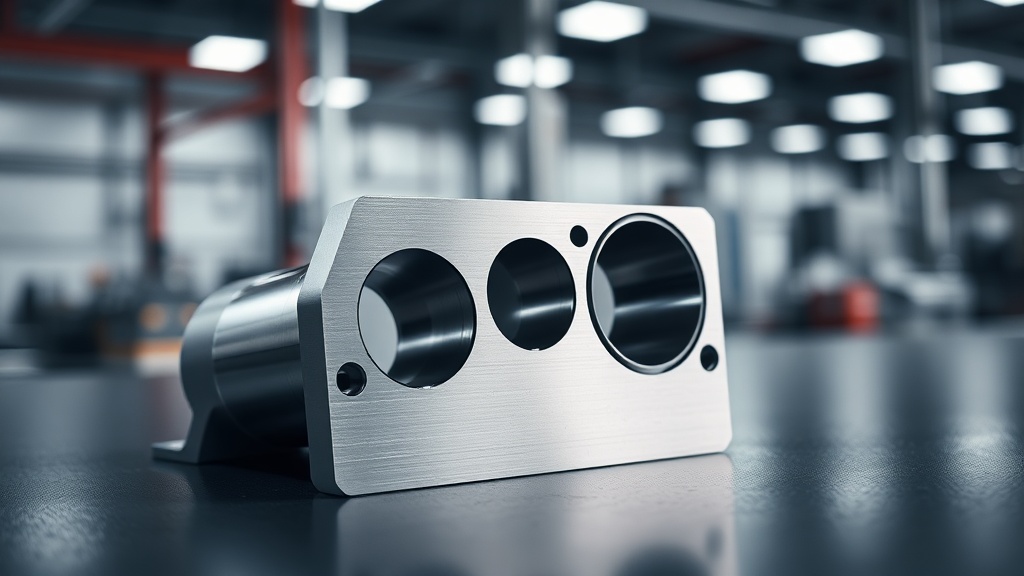
Injection Molding for Consumer Electronics: The Complete Guide
Consumer electronics demand injection-molded parts that are cosmetically flawless, dimensionally precise, and produced at volumes that keep per-unit costs low. From smartphone cases and smart home devices to wearable technology and IoT sensors, injection molding delivers the surface quality, material performance, and production speed that electronics products require. Canadian injection molders serve both domestic startups and international brands with full-service capabilities from DFM through production.
The consumer electronics market demands constant innovation, which means injection molding partners must handle rapid tooling changes, tight launch timelines, and the ability to scale from initial runs of 5,000 units to production volumes of 500,000+. Multi-material processes like overmolding and two-shot molding add the premium feel and functional features that differentiate products in a competitive market.
Why Canadian Injection Molding for Consumer Electronics?
Canadian injection molders offer a compelling combination of quality, IP protection, and proximity to the North American market. Unlike offshore suppliers where tooling revisions take weeks and shipping adds months, Canadian partners enable weekly design iterations during development. The Assembly network connects electronics companies with molders who understand DFM for consumer products, maintain tight cosmetic standards, and can handle the full workflow from prototyping through mass production.
Bridging Prototyping to Production
The electronics development cycle often starts with 3D printed enclosures for form-fit testing, moves to soft-tooled short runs for market validation, and scales to hardened steel production tools. Canadian injection molders in the Assembly network support all three stages, ensuring design continuity and avoiding the costly surprises that come from changing suppliers mid-program.
Comparison: Injection Molding Methods
| Method | Cost | Lead Time | Quality | Best For | Rating |
|---|---|---|---|---|---|
| Thermoplastic Injection Molding | $0.50–$8/part | 6–10 weeks (tooling), 1–3 days (production) | Excellent surface finish, Class A cosmetic possible, tight tolerances | Device housings, bezels, battery covers, button pads, 5,000+ units | ★★★★★ |
| Overmolding (Two-Material) | $1–$12/part | 8–12 weeks (tooling), 1–3 days (production) | Soft-touch grips, sealed interfaces, premium feel | Device grips, sealed enclosures, cable strain reliefs, wearable bands | ★★★★★ |
| Insert Molding | $2–$15/part | 8–12 weeks (tooling), 1–3 days (production) | Metal components permanently embedded in plastic | Threaded inserts, PCB encapsulation, connector housings, antenna integration | ★★★★★ |
| Two-Shot (2K) Injection Molding | $1.50–$10/part | 10–14 weeks (tooling), 1–3 days (production) | Two materials in one cycle, chemical bond between materials | Multi-color logos, translucent light pipes with opaque housings, sealing features | ★★★★★ |
When to Use Each Method
Thermoplastic Injection Molding
- Standard single-material housings and enclosures are needed
- Production volumes exceed 5,000 units per year
- Class A cosmetic surfaces with textures, high gloss, or matte finishes are required
Overmolding
- Soft-touch grip areas are needed on a rigid housing
- IP67 or higher sealing between housing halves is required
- Premium tactile feel differentiates the product
Insert Molding
- Metal threaded inserts for repeated assembly/disassembly are needed
- Electronic components must be permanently encapsulated
Two-Shot Molding
- Translucent light pipe and opaque housing must be one part
- Multi-color branding elements are integral to the design
Top Canadian Injection Molding Providers
We're currently vetting injection molding providers across Canada for consumer electronics. Join our waitlist to get matched with trusted suppliers when your spot opens.
Join the WaitlistFrequently Asked Questions
What plastics are best for consumer electronics housings?
How much does injection mold tooling cost for electronics enclosures?
Can injection molding achieve the surface quality of consumer electronics?
What is the minimum order quantity for electronics injection molding?
Get an Injection Molding Quote for Consumer Electronics
Compare injection molding options for consumer electronics and get matched with the right Canadian manufacturer. Join our waitlist to get started.
Or email us at hello@theassembly.io
Explore related manufacturing decisions
Best Injection Molding for Automotive Parts in Canada
Compare injection molding methods for automotive parts in Canada. Thermoplastic vs structural foam vs overmolding vs gas-assist - cost, lead time, quality, and top providers.
Best Injection Molding for Medical Devices in Canada
Compare injection molding methods for medical devices in Canada. Cleanroom vs insert vs overmolding vs micro molding - cost, certifications, and top Canadian providers.
Best Injection Molding for Packaging in Canada
Compare injection molding methods for packaging in Canada. Thin-wall vs standard vs blow molding vs thermoforming - cost, lead time, quality, and providers.
Best 3D Printing for Aerospace Parts in Canada
Compare 3D printing technologies for aerospace parts in Canada. DMLS vs SLS vs MJF vs FDM - cost, lead time, quality, and top Canadian aerospace providers.
Best 3D Printing for Automotive Parts in Canada
Compare 3D printing technologies for automotive parts in Canada. SLS vs MJF vs DMLS vs FDM - cost, lead time, quality, and top Canadian providers.
Best 3D Printing for Dental Applications in Canada
Compare 3D printing technologies for dental applications in Canada. SLA vs DLP vs MJF vs milling - cost, lead time, quality, and top Canadian dental providers.
Manufacturing intel.
Every Tuesday.
Real costs, vetted Canadian suppliers, and government funding alerts. One free email a week.
Unsubscribe anytime. Your data stays in Canada.