Best Injection Molding for Automotive Parts in Canada
Compare injection molding methods for automotive parts in Canada. Thermoplastic vs structural foam vs overmolding vs gas-assist - cost, lead time, quality, and top providers.
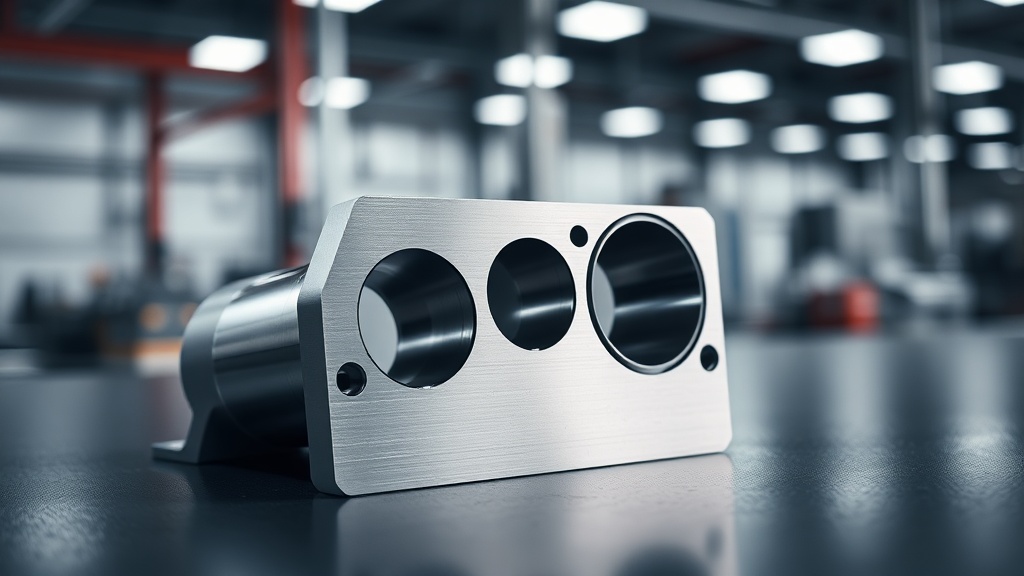
Injection Molding for Automotive Parts: The Canadian Guide
Injection molding produces the vast majority of plastic components in every vehicle on the road - from dashboard panels and door trims to under-hood brackets and EV battery housings. Canada’s automotive injection molding sector is concentrated in southern Ontario’s automotive corridor, with additional capacity in Quebec and Manitoba, serving OEMs and Tier 1 suppliers across North America.
The choice of molding method depends on part geometry, material requirements, and annual volume. Conventional thermoplastic molding handles the broadest range of applications, while structural foam, overmolding, and gas-assist processes solve specific engineering challenges around weight, multi-material integration, and thick-wall geometry.
Why Mold Automotive Parts in Canada?
Canadian injection molders operate within CUSMA’s automotive rules of origin, providing duty-free access to US and Mexican assembly plants. This is increasingly valuable as OEMs reshore supply chains and prioritize North American content. Canadian facilities also offer strong IP protection - critical for next-generation EV components where mold designs and material formulations represent significant competitive advantages. With tooling built domestically, there is no risk of overseas IP leakage during the mold-building phase.
Comparison: Injection Molding Methods
| Method | Cost | Lead Time | Quality | Best For | Rating |
|---|---|---|---|---|---|
| Conventional Thermoplastic Injection Molding | $0.50–$15/part (tooling: $15,000–$120,000) | 8–14 weeks (tooling) + 1–3 days (production) | Tolerances to +/-0.05mm, Class A surface finish achievable, color-matched | Interior trim, dashboard panels, door handles, center console parts | ★★★★★ |
| Structural Foam Molding | $2–$25/part (tooling: $20,000–$80,000) | 8–12 weeks (tooling) + 1–3 days (production) | 30-40% lighter than solid parts, good stiffness-to-weight ratio | Large structural panels, battery enclosures, trunk organizers, wheel well liners | ★★★★★ |
| Overmolding / Two-Shot Molding | $1.50–$20/part (tooling: $25,000–$150,000) | 10–16 weeks (tooling) + 1–4 days (production) | Integrated soft-touch or seal surfaces, reduced assembly steps | Steering wheel grips, gear shift knobs, weatherseals, vibration-dampened housings | ★★★★★ |
| Gas-Assist Injection Molding | $1–$18/part (tooling: $20,000–$100,000) | 10–14 weeks (tooling) + 1–3 days (production) | Hollow sections reduce weight and sink marks, excellent for thick-walled parts | Grab handles, structural pillars, thick bezels, roof rack components | ★★★★★ |
When to Use Each Method
Conventional Thermoplastic
- Annual volume exceeds 10,000 parts and design is finalized
- Class A surface finish is required for visible interior or exterior parts
- Color matching, texture, and grain consistency are critical
Structural Foam
- Large parts (>500mm) need stiffness without excessive weight
- EV battery housings or large panels need weight reduction
- Lower clamping pressure reduces tooling cost for oversized parts
Overmolding / Two-Shot
- Parts require integrated soft-touch, seal, or grip surfaces
- Eliminating secondary assembly steps reduces cost at volume
- Multi-material parts for ergonomic or sealing applications
Gas-Assist
- Thick-walled parts have sink mark issues in conventional molding
- Hollow structural parts are needed to save weight
- Long handle or rail geometries require internal ribbing
Top Canadian Injection Molding Providers
We're currently vetting injection molding providers across Canada for automotive parts. Join our waitlist to get matched with trusted suppliers when your spot opens.
Join the WaitlistFrequently Asked Questions
What certifications are required for automotive injection molding in Canada?
How long does it take to get automotive injection mold tooling built in Canada?
What plastics are used in automotive injection molding?
Does CUSMA affect automotive injection molded parts?
Get an Injection Molding Quote for Automotive Parts
Compare injection molding options for automotive parts and get matched with the right Canadian manufacturer. Join our waitlist to get started.
Or email us at hello@theassembly.io
Explore related manufacturing decisions
Best Injection Molding for Consumer Electronics in Canada
Compare injection molding methods for consumer electronics in Canada. Thermoplastic vs overmolding vs insert molding vs 2-shot - cost, lead time, quality.
Best Injection Molding for Medical Devices in Canada
Compare injection molding methods for medical devices in Canada. Cleanroom vs insert vs overmolding vs micro molding - cost, certifications, and top Canadian providers.
Best Injection Molding for Packaging in Canada
Compare injection molding methods for packaging in Canada. Thin-wall vs standard vs blow molding vs thermoforming - cost, lead time, quality, and providers.
Best 3D Printing for Automotive Parts in Canada
Compare 3D printing technologies for automotive parts in Canada. SLS vs MJF vs DMLS vs FDM - cost, lead time, quality, and top Canadian providers.
Best Casting for Automotive Parts in Canada
Compare casting methods for automotive parts in Canada. Die casting vs sand casting vs investment casting vs lost foam - cost, lead time, and quality.
Best 3D Printing for Aerospace Parts in Canada
Compare 3D printing technologies for aerospace parts in Canada. DMLS vs SLS vs MJF vs FDM - cost, lead time, quality, and top Canadian aerospace providers.
Manufacturing intel.
Every Tuesday.
Real costs, vetted Canadian suppliers, and government funding alerts. One free email a week.
Unsubscribe anytime. Your data stays in Canada.