Best CNC Machining for Defense and Military Parts in Canada
ITAR-registered, AS9100D, CGP-cleared CNC machine shops in Canada. Compare 5-axis, 3-axis, Swiss-type, and EDM for tolerances to ±0.003mm.
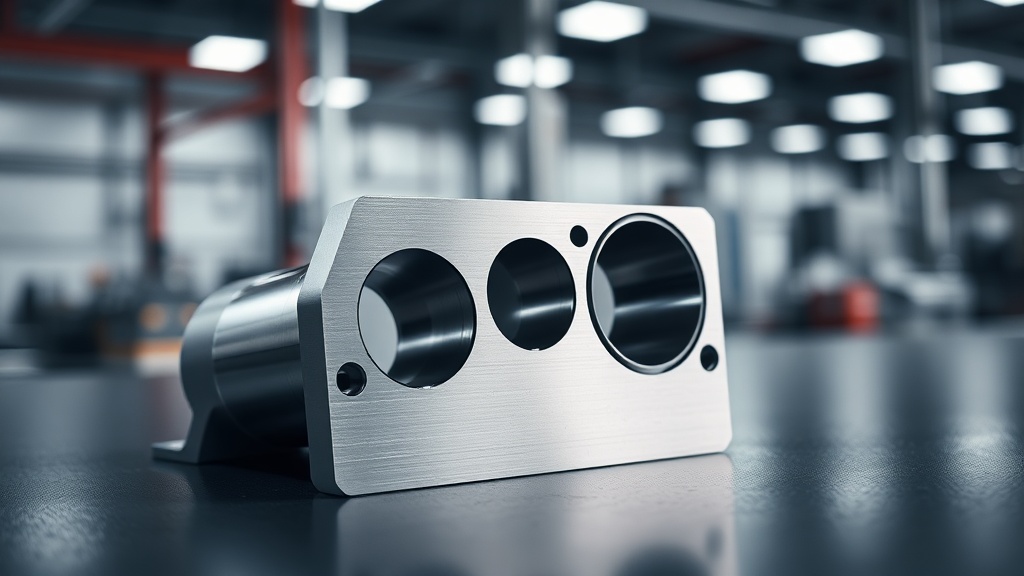
CNC Machining for Defense Parts: The Canadian Guide
Defense manufacturing requires a level of precision, traceability, and security that exceeds commercial standards. CNC machining remains the backbone of defense parts production - from avionics housings machined from solid titanium billets to high-volume turned fasteners for armoured vehicles. Canadian machine shops serve DND, NATO allies, and US defense primes with certified capabilities and security infrastructure.
The key differentiator in defense CNC machining is not the machines themselves - it is the quality system, security protocols, and material traceability that surround the manufacturing process. Every part must be traceable from raw material mill certificate through every machining operation to final inspection, with documentation that can withstand government audit.
Canada’s Defense Manufacturing Advantage
Canada’s position within the Five Eyes alliance and its ITAR exemption with the United States make Canadian machine shops uniquely positioned to serve North American defense supply chains. The Controlled Goods Program provides a rigorous security framework, while proximity to US defense primes in the northeast corridor - General Dynamics, L3Harris, Raytheon - reduces logistics timelines. Canadian defense spending is increasing under NATO commitments, creating growing domestic demand alongside established export opportunities.
Comparison: CNC Machining Methods
| Method | Cost | Lead Time | Quality | Best For | Rating |
|---|---|---|---|---|---|
| 5-Axis CNC Milling | $200–$5,000/part | 10–21 days | Tolerances to +/-0.005mm, complex geometries in single setup, full traceability | Weapon system housings, avionics enclosures, UAV structural components | ★★★★★ |
| 3-Axis CNC Milling | $80–$1,500/part | 7–14 days | Tolerances to +/-0.01mm, proven and reliable for prismatic parts | Mounting plates, vehicle brackets, radio housings, connector bodies | ★★★★★ |
| CNC Turning (Swiss-Type) | $15–$300/part | 5–10 days | Tolerances to +/-0.005mm on diameters, excellent surface finish | Firing pins, electrical connectors, fasteners, precision shafts | ★★★★★ |
| Wire EDM | $150–$3,000/part | 7–14 days | Tolerances to +/-0.003mm, cuts hardened materials with zero cutting force | Locking mechanisms, hardened tool steel inserts, keyways in hardened housings | ★★★★★ |
When to Use Each Method
5-Axis CNC Milling
- Part has complex contours that require access from multiple angles
- Single-setup machining is needed to hold tight positional tolerances
- Titanium or Inconel aerospace-defense alloys are specified
3-Axis CNC Milling
- Parts are primarily prismatic with standard pocket and hole features
- Budget constraints require cost-effective machining without sacrificing quality
- Medium volumes (50-500 parts) of vehicle or equipment brackets
CNC Turning (Swiss-Type)
- Cylindrical parts with high length-to-diameter ratios
- Electrical connectors or fasteners require tight diameter tolerances
- Production volumes justify dedicated turning setup
Wire EDM
- Parts are hardened above 50 HRC and cannot be conventionally machined
- Extremely tight tolerances on internal profiles or keyways
- Exotic alloys that cause excessive tool wear in milling
Top Canadian CNC Machining Providers
We're currently vetting cnc machining providers across Canada for defense and military parts. Join our waitlist to get matched with trusted suppliers when your spot opens.
Join the WaitlistFrequently Asked Questions
What certifications are required for CNC machining defense parts in Canada?
Can Canadian machine shops produce ITAR-controlled defense components?
What materials are commonly machined for defense applications?
How does the Canadian Controlled Goods Program affect CNC machining?
Get a CNC Machining Quote for Defense Parts
Compare cnc machining options for defense and military parts and get matched with the right Canadian manufacturer. Join our waitlist to get started.
Or email us at hello@theassembly.io
Explore related manufacturing decisions
Best CNC Machining for Aerospace Parts in Canada
Compare CNC machining methods for aerospace parts in Canada. 5-axis milling vs turning vs EDM vs grinding - cost, lead time, quality, and top providers.
Best CNC Machining for Medical Implants in Canada
Compare CNC machining methods for medical implants in Canada. 5-axis milling vs Swiss turning vs EDM vs grinding - cost, lead time, and quality.
Best CNC Machining for Prototyping in Canada
Compare CNC machining methods for prototyping in Canada. FDM vs SLA vs CNC vs SLS - cost, lead time, quality, and top Canadian providers.
Best 3D Printing for Aerospace Parts in Canada
Compare 3D printing technologies for aerospace parts in Canada. DMLS vs SLS vs MJF vs FDM - cost, lead time, quality, and top Canadian aerospace providers.
Best 3D Printing for Automotive Parts in Canada
Compare 3D printing technologies for automotive parts in Canada. SLS vs MJF vs DMLS vs FDM - cost, lead time, quality, and top Canadian providers.
Best 3D Printing for Dental Applications in Canada
Compare 3D printing technologies for dental applications in Canada. SLA vs DLP vs MJF vs milling - cost, lead time, quality, and top Canadian dental providers.
Manufacturing intel.
Every Tuesday.
Real costs, vetted Canadian suppliers, and government funding alerts. One free email a week.
Unsubscribe anytime. Your data stays in Canada.