How to Manufacture Sporting Goods in Canada
Canada has deep expertise in sporting goods manufacturing - from composite hockey sticks and carbon fiber bike components to injection-molded protective gear. Canadian manufacturers combine advanced materials expertise with proximity to North America's largest sports equipment market.
Why Manufacture Sporting Goods in Canada?
Canada’s sporting goods manufacturing sector is built on the country’s deep connection to sport - particularly hockey, cycling, outdoor recreation, and winter sports. This heritage translates into manufacturing expertise that’s hard to find elsewhere.
The Reshoring Opportunity
Performance sporting goods demand tight quality control and advanced materials expertise. As brands move upmarket and consumers pay premiums for quality and provenance, Canadian manufacturing becomes increasingly attractive.
What Makes Canada Different
- Composites Expertise: World-class carbon fiber and composite layup capabilities
- Sports Heritage: Deep understanding of hockey, outdoor, and winter sports equipment
- Performance Testing: Proximity to professional and Olympic programs
- Brand Value: “Made in Canada” commands premiums in hockey, outdoor, and cycling markets
- Customization: Small-run production for team, custom, and limited-edition equipment
Best Processes for Sporting Goods
Composite Layup
Hand and automated layup of carbon fiber, fiberglass, and Kevlar composites in molds. Autoclave and out-of-autoclave curing available.
Injection Molding
High-volume production of plastic components for sports equipment and protective gear.
CNC Machining
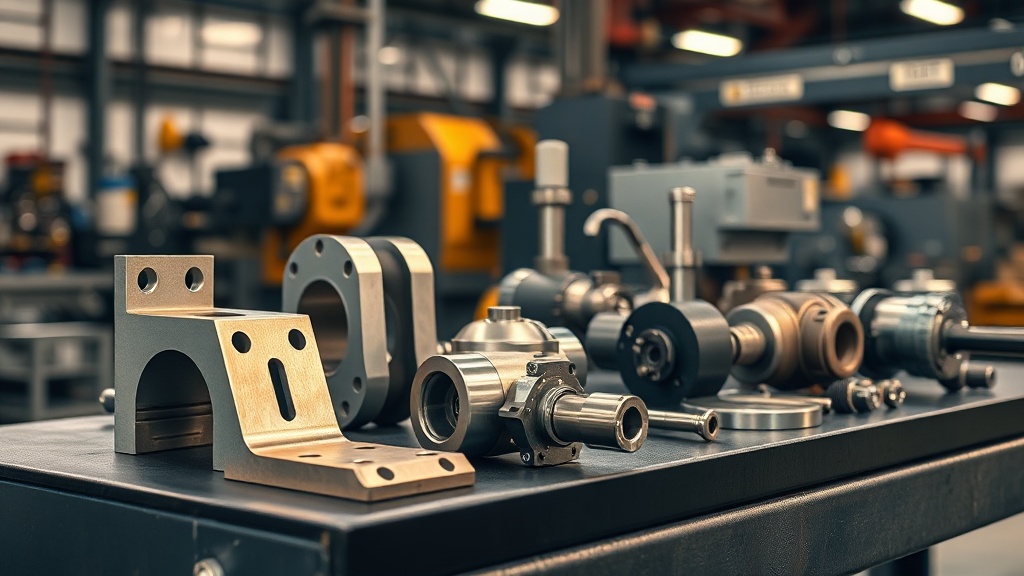
Precision metal components from aluminum, titanium, and steel for high-performance equipment.
Rotational Molding
Hollow plastic products with uniform wall thickness, ideal for large or complex shapes.
Materials Guide
| Material | Description | Applications |
|---|---|---|
| Carbon Fiber (T700/T800) | Ultra-high strength-to-weight ratio, stiff and lightweight | Hockey sticks, bike frames, paddles, racquets |
| Aluminum 7075 | High-strength aluminum alloy, commonly used in aerospace and sports | Bike components, carabiners, equipment frames |
| ABS | Impact-resistant, good surface finish, cost-effective | Helmet shells, protective gear, equipment housings |
| Rubber (Natural/Synthetic) | Elastic, durable, grip and cushioning properties | Grips, soles, bumpers, protective padding |
Canadian Sporting Goods Manufacturers
We're currently vetting and onboarding sporting goods manufacturers across Canada. Join our waitlist to get introduced to our latest trusted suppliers.
Join the WaitlistCanada vs. Overseas: Cost Comparison
Canada's sporting goods manufacturing sweet spot is composite products, premium metal components, and protective equipment. Mass-market plastic sporting goods are typically more cost-effective from Asia, but performance and premium segments reward Canadian production.
Tariff & Reshoring Advantages
- CUSMA duty-free for sporting goods sold into US and Mexican markets
- Composite manufacturing expertise unmatched in many Asian facilities
- Made in Canada resonates strongly in hockey, outdoor, and winter sports markets
- Proximity to professional and Olympic sports programs for R&D partnerships
- Short-run capability for team-specific and custom equipment
Frequently Asked Questions
What sporting goods are commonly manufactured in Canada?
Can Canadian manufacturers produce carbon fiber sporting goods?
What's the minimum order for sporting goods manufacturing in Canada?
How do I protect my sporting goods design IP in Canada?
Get Matched With a Canadian Sporting Goods Manufacturer
Ready to manufacture sporting goods in Canada? Join our waitlist and we'll connect you with trusted Canadian manufacturers.
Or email us at hello@theassembly.io
Related Manufacturing Guides
How to Manufacture Aerospace Components in Canada
Guide to manufacturing aerospace components in Canada. CNC machining, additive manufacturing, and sheet metal fabrication from AS9100-certified Canadian aerospace suppliers.
How to Manufacture Agricultural Equipment in Canada
Guide to manufacturing agricultural equipment in Canada. CNC machining, welding, and metal fabrication for farm machinery and components from experienced Canadian manufacturers.
How to Manufacture Automotive Accessories in Canada
Guide to manufacturing automotive accessories in Canada. Injection molding, CNC machining, and 3D printing for aftermarket and OEM automotive parts from Canadian manufacturers.
Manufacturing intel.
Every Tuesday.
Real costs, vetted Canadian suppliers, and government funding alerts. One free email a week.
Unsubscribe anytime. Your data stays in Canada.