How to Manufacture Railway Parts in Canada
Canada operates one of the world's most extensive freight rail networks and is investing billions in urban transit expansion, creating sustained demand for domestically manufactured railway components. From heavy freight car castings to precision light rail transit parts, Canadian manufacturers produce the full spectrum of railway hardware - backed by AAR certification, ISO/TS 22163 (IRIS) quality systems, and decades of experience supplying both Class I railroads and urban transit agencies.
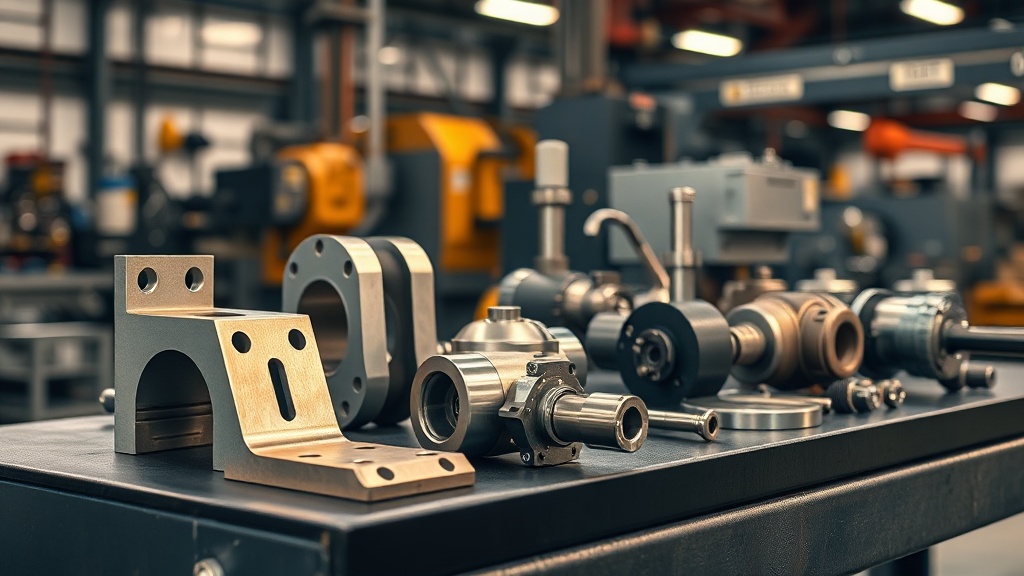
Why Manufacture Railway Parts in Canada?
Canada’s railway sector is one of the largest and most active in the world. Two Class I freight railroads - CN and CP Kansas City - operate transcontinental networks, while cities across the country are building and expanding light rail, subway, and commuter rail systems. This creates a deep, sustained market for domestically manufactured railway components spanning heavy freight castings to precision transit vehicle parts.
Railway manufacturing is also one of the most certification-intensive sectors. AAR certification for freight car components, ISO/TS 22163 for transit applications, and CWB welding qualifications create significant barriers to entry that Canadian manufacturers have already cleared. These certifications - combined with Canadian Content requirements for federally funded transit projects - create a protected domestic market for qualified manufacturers.
The Reshoring Opportunity
Buy-Canadian requirements and the sheer weight of railway components make offshore sourcing impractical for many parts. A freight car side frame casting weighing 400 kg costs more to ship from Asia than the manufacturing cost difference. Canadian manufacturers provide AAR-certified production with rapid delivery to railroad maintenance facilities across the country.
What Makes Canada Different
- AAR Certification: M-1003 quality assurance and material certifications for Class I railroads
- Canadian Content: Mandatory domestic content requirements for federally funded transit
- Heavy Manufacturing: Casting, forging, and heavy machining capability for railway-scale components
- Maintenance Proximity: Rapid delivery to railroad maintenance facilities across Canada
- Transit Growth: Billions in new transit investment driving sustained component demand
Best Processes for Railway Parts
Heavy CNC Machining
Large-format CNC machining of wheel sets, axle journals, bearing adapters, coupler components, and brake system parts from high-strength steel alloys.
Steel Casting (Sand and Investment)
Production of AAR-certified castings for couplers, side frames, bolsters, and brake components in Grade B+ and higher carbon steels.
Heavy Fabrication and Welding
Structural fabrication of car bodies, bogie frames, platform assemblies, and infrastructure components from heavy plate steel and aluminum.
Forging
Closed-die and open-die forging of high-strength railway components requiring superior fatigue life and impact resistance.
Materials Guide
| Material | Description | Applications |
|---|---|---|
| AAR Grade B+ Cast Steel | The standard casting material for freight car structural components - AAR M-201 certified | Coupler bodies, knuckles, side frames, bolsters, draft gear components |
| Class C Wheel Steel (AAR M-107/M-208) | High-carbon steel for railway wheels with specific hardness and toughness requirements | Freight car wheels, locomotive wheels, transit vehicle wheels |
| COR-TEN (Weathering Steel) | Atmospheric corrosion-resistant steel that forms a protective patina - standard for rail car bodies | Gondola bodies, hopper panels, intermodal chassis, structural components |
| Aluminum 6005A-T6 | Lightweight, corrosion-resistant extrusion alloy used in light rail and passenger transit car bodies | LRT car body extrusions, interior structural members, platform components |
Canadian Railway Parts Manufacturers
We're currently vetting and onboarding railway parts manufacturers across Canada. Join our waitlist to get introduced to our latest trusted suppliers.
Join the WaitlistCanada vs. Overseas: Cost Comparison
Railway manufacturing is one of the most heavily regulated and certification-intensive sectors. AAR certification for freight components and Canadian Content requirements for federally funded transit projects effectively mandate domestic sourcing for many railway parts. The weight of rail components also makes overseas shipping costs significant.
Tariff & Reshoring Advantages
- CUSMA duty-free for railway components exported to US Class I railroads and transit agencies
- Canadian Content requirements for federally funded transit projects - typically 25% or higher
- AAR certification performed by domestic facilities - M-1003 quality assurance
- No tariff exposure on steel castings and forgings - Canadian-origin material qualifies under CUSMA
Frequently Asked Questions
What certifications do Canadian railway component manufacturers hold?
Can Canadian manufacturers produce transit vehicle components?
How do Canadian Content requirements affect railway manufacturing?
What is the current demand for railway maintenance and overhaul parts?
Get Matched With a Canadian Railway Parts Manufacturer
Ready to manufacture railway parts in Canada? Join our waitlist and we'll connect you with trusted Canadian manufacturers.
Or email us at hello@theassembly.io
Related Manufacturing Guides
How to Manufacture Aerospace Components in Canada
Guide to manufacturing aerospace components in Canada. CNC machining, additive manufacturing, and sheet metal fabrication from AS9100-certified Canadian aerospace suppliers.
How to Manufacture Agricultural Equipment in Canada
Guide to manufacturing agricultural equipment in Canada. CNC machining, welding, and metal fabrication for farm machinery and components from experienced Canadian manufacturers.
How to Manufacture Automotive Accessories in Canada
Guide to manufacturing automotive accessories in Canada. Injection molding, CNC machining, and 3D printing for aftermarket and OEM automotive parts from Canadian manufacturers.
Manufacturing intel.
Every Tuesday.
Real costs, vetted Canadian suppliers, and government funding alerts. One free email a week.
Unsubscribe anytime. Your data stays in Canada.