How to Manufacture Food Processing Equipment in Canada
Canada's food and beverage sector is the largest manufacturing industry in the country by employment, and it depends on a robust domestic supply of food processing machinery and components. Canadian manufacturers produce sanitary stainless steel equipment - from conveyors and mixers to filling lines and packaging machinery - built to CFIA, FDA, and 3-A Sanitary Standards requirements.
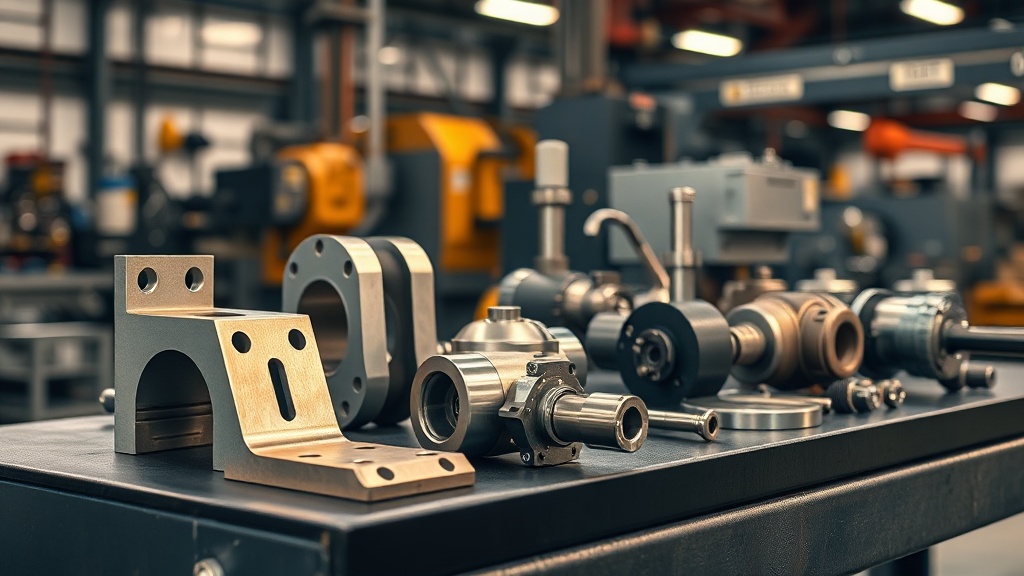
Why Manufacture Food Processing Equipment in Canada?
Canada’s food and beverage manufacturing sector generates over $130 billion annually and employs more than 300,000 people - making it the nation’s largest manufacturing employer. This massive industry requires a constant supply of processing equipment, from small-batch artisan machinery to high-speed production lines, and Canadian manufacturers deliver the sanitary-grade fabrication that food safety demands.
Food processing equipment is one of the most regulation-intensive manufacturing categories. Every product contact surface must meet CFIA, FDA, and often 3-A Sanitary Standards requirements for surface finish, material composition, and cleanability. Canadian manufacturers have decades of experience building to these standards, with quality systems and documentation that pass CFIA and FDA audits.
The Reshoring Opportunity
Supply chain disruptions exposed the fragility of depending on overseas equipment suppliers for critical food production infrastructure. When a filling line goes down, you need parts and service within days, not weeks. Canadian manufacturers provide the proximity for rapid field service, spare parts support, and equipment modifications that food producers require.
What Makes Canada Different
- Sanitary Expertise: Decades of 3-A, CFIA, and FDA-compliant fabrication experience
- Stainless Steel Capability: Full-service 304/316L machining, welding, and polishing
- Proximity: Same-day or next-day field service for Canadian and northern US food plants
- Custom Engineering: Design-through-commissioning for application-specific equipment
- Material Traceability: Full documentation from raw material to finished machine
Best Processes for Food Processing Equipment
CNC Machining
Precision machining of stainless steel shafts, valve bodies, pump housings, and fittings with sanitary surface finishes (Ra 0.8 um or better).
TIG/MIG Welding and Fabrication
Sanitary welding of stainless steel tanks, frames, conveyors, and processing vessels with full weld documentation and passivation.
Sheet Metal Fabrication
Laser cutting, forming, and polishing of stainless steel panels, guards, enclosures, and structural components.
Electropolishing
Surface finishing to achieve sanitary-grade surface roughness on stainless steel components in contact with food products.
Materials Guide
| Material | Description | Applications |
|---|---|---|
| 304 Stainless Steel | The workhorse material for food processing - corrosion resistant, easy to clean, FDA compliant | Frames, conveyors, tanks, guards, general structural components |
| 316L Stainless Steel | Superior corrosion resistance for acidic, high-salt, and high-temperature food processing environments | Product contact surfaces, dairy equipment, brine processing, acidic food handling |
| UHMW Polyethylene | FDA-compliant, low friction, self-lubricating - ideal for food contact conveyor components | Guide rails, wear strips, conveyor components, cutting boards, starwheels |
| Delrin (Acetal) | FDA-compliant engineering plastic with excellent machinability and dimensional stability | Gears, bushings, valve seats, conveyor chain guides, timing screws |
Canadian Food Processing Equipment Manufacturers
We're currently vetting and onboarding food processing equipment manufacturers across Canada. Join our waitlist to get introduced to our latest trusted suppliers.
Join the WaitlistCanada vs. Overseas: Cost Comparison
Food processing equipment is heavily regulated and often custom-engineered. The cost of a contamination event or failed CFIA audit far exceeds any savings from offshore production. Proximity for installation, commissioning, and ongoing maintenance support is critical.
Tariff & Reshoring Advantages
- CUSMA duty-free for food processing equipment exported to US food manufacturers
- CFIA and FDA sanitary design compliance built into the manufacturing process
- No tariff exposure on stainless steel equipment - Canadian steel qualifies for CUSMA origin
- Proximity for installation, commissioning, and ongoing field service support
Frequently Asked Questions
What sanitary standards do Canadian food equipment manufacturers follow?
Can Canadian manufacturers produce custom food processing machinery?
What surface finishes are available for food contact components?
How does Canadian manufacturing support food safety compliance?
Get Matched With a Canadian Food Processing Equipment Manufacturer
Ready to manufacture food processing equipment in Canada? Join our waitlist and we'll connect you with trusted Canadian manufacturers.
Or email us at hello@theassembly.io
Related Manufacturing Guides
How to Manufacture Aerospace Components in Canada
Guide to manufacturing aerospace components in Canada. CNC machining, additive manufacturing, and sheet metal fabrication from AS9100-certified Canadian aerospace suppliers.
How to Manufacture Agricultural Equipment in Canada
Guide to manufacturing agricultural equipment in Canada. CNC machining, welding, and metal fabrication for farm machinery and components from experienced Canadian manufacturers.
How to Manufacture Automotive Accessories in Canada
Guide to manufacturing automotive accessories in Canada. Injection molding, CNC machining, and 3D printing for aftermarket and OEM automotive parts from Canadian manufacturers.
Manufacturing intel.
Every Tuesday.
Real costs, vetted Canadian suppliers, and government funding alerts. One free email a week.
Unsubscribe anytime. Your data stays in Canada.