How to Manufacture EV Chargers in Canada
Canada is rapidly expanding its electric vehicle charging infrastructure, with federal and provincial programs funding tens of thousands of new charging stations. This has created strong domestic demand for Canadian-manufactured EV charging hardware - from Level 2 wall units to DC fast chargers - supported by a manufacturing base with deep expertise in power electronics, sheet metal enclosures, and outdoor-rated electrical equipment.
Why Manufacture EV Chargers in Canada?
Canada’s electric vehicle charging infrastructure is in a massive build-out phase, driven by federal mandates requiring 100% zero-emission vehicle sales by 2035 and billions in public funding for charging networks. This creates a substantial domestic market for Canadian-manufactured EV charging hardware - and a manufacturing base that already has the capabilities to deliver.
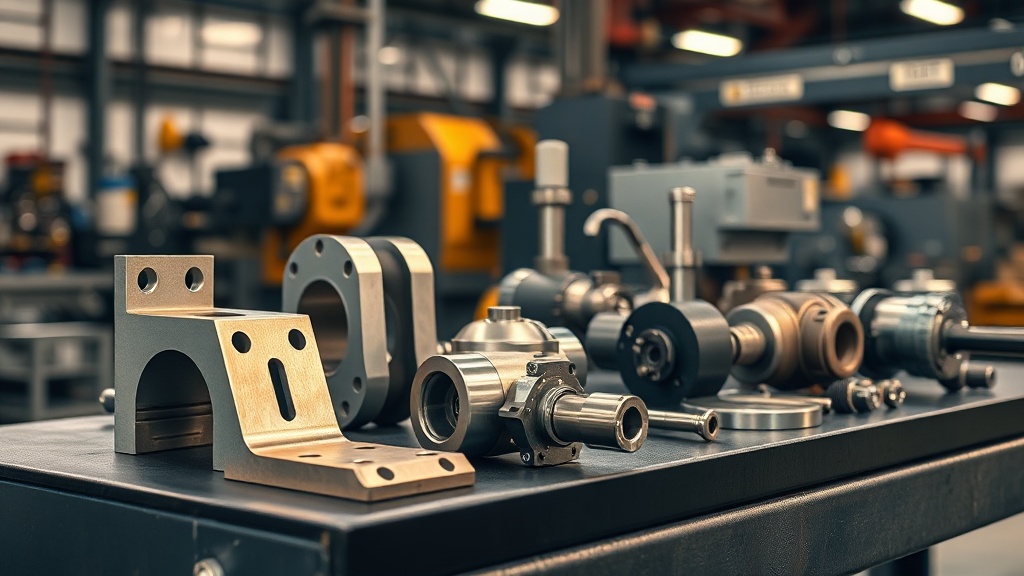
The core competencies required for EV charger manufacturing - sheet metal fabrication, power electronics assembly, injection molding, and outdoor-rated electrical enclosure production - are well-established in Canada’s industrial manufacturing sector. Assembly Network Partners across Ontario, Quebec, and British Columbia produce everything from Level 2 wall units to 350 kW DC fast charging stations.
The Reshoring Opportunity
Supply chain disruptions and tariff uncertainty have exposed the risks of depending on imported charging equipment. Canadian manufacturers offer CSA/UL-certified production, Buy-Canadian eligibility for public infrastructure projects, and CUSMA duty-free access to the US market - the largest EV charging market in North America.
What Makes Canada Different
- Certification Built In: CSA and UL compliance engineered from the design phase, not retrofitted
- Funding Eligibility: Domestically manufactured equipment scores higher in ZEVIP and provincial programs
- Power Electronics Expertise: Decades of industrial power supply manufacturing capability
- Climate Testing: Equipment designed and tested for Canadian winter conditions (-40C operation)
- CUSMA Access: Duty-free export to the US EV charging market
Best Processes for EV Chargers
Sheet Metal Fabrication
Laser cutting, bending, and welding of steel and aluminum enclosures for indoor and outdoor charging stations. Powder coating for weather resistance.
Injection Molding
Production of connector housings, cable management components, user interface bezels, and weatherproof seals.
PCB Assembly (PCBA)
Surface mount and through-hole assembly of power conversion boards, communication modules, and control electronics.
CNC Machining
Precision machining of heat sinks, bus bars, connector pins, and structural mounting hardware for high-power charging systems.
Materials Guide
| Material | Description | Applications |
|---|---|---|
| Galvanized Steel (14-16 gauge) | Corrosion-resistant, structurally rigid, cost-effective for outdoor enclosures | Charger enclosures, pedestals, mounting plates, cable trays |
| Aluminum 6061-T6 | Lightweight, excellent thermal conductivity, corrosion resistant | Heat sinks, bus bars, internal structural frames, premium enclosures |
| Polycarbonate (UV-stabilized) | Impact resistant, UV stable, flame retardant UL94 V-0 rated | Display windows, connector housings, user interface panels, weatherproof covers |
| Copper C110 | High electrical conductivity for power delivery components | Bus bars, connector contacts, power cable terminals, grounding straps |
Canadian EV Chargers Manufacturers
We're currently vetting and onboarding ev chargers manufacturers across Canada. Join our waitlist to get introduced to our latest trusted suppliers.
Join the WaitlistCanada vs. Overseas: Cost Comparison
The EV charger market is growing at over 30% annually in Canada. Federal programs like ZEVIP and the Canada Infrastructure Bank's charging fund increasingly prioritize domestically manufactured equipment. Buy-Canadian procurement preferences apply to publicly funded installations.
Tariff & Reshoring Advantages
- CUSMA duty-free access for EV charging equipment exported to the US market
- CSA and UL certification performed domestically - avoiding re-certification costs for imported equipment
- Buy-Canadian procurement preferences for federally and provincially funded charging infrastructure
- No exposure to Section 301 tariffs on Chinese-manufactured electrical equipment
Frequently Asked Questions
What certifications do Canadian-manufactured EV chargers need?
Can Canadian manufacturers produce DC fast chargers?
How does Canadian manufacturing support ZEVIP funding requirements?
What volumes are typical for Canadian EV charger production?
Get Matched With a Canadian EV Charger Manufacturer
Ready to manufacture ev chargers in Canada? Join our waitlist and we'll connect you with trusted Canadian manufacturers.
Or email us at hello@theassembly.io
Related Manufacturing Guides
How to Manufacture Aerospace Components in Canada
Guide to manufacturing aerospace components in Canada. CNC machining, additive manufacturing, and sheet metal fabrication from AS9100-certified Canadian aerospace suppliers.
How to Manufacture Agricultural Equipment in Canada
Guide to manufacturing agricultural equipment in Canada. CNC machining, welding, and metal fabrication for farm machinery and components from experienced Canadian manufacturers.
How to Manufacture Automotive Accessories in Canada
Guide to manufacturing automotive accessories in Canada. Injection molding, CNC machining, and 3D printing for aftermarket and OEM automotive parts from Canadian manufacturers.
Manufacturing intel.
Every Tuesday.
Real costs, vetted Canadian suppliers, and government funding alerts. One free email a week.
Unsubscribe anytime. Your data stays in Canada.