How to Manufacture Consumer Electronics in Canada
Canada has a growing electronics manufacturing ecosystem with particular strength in PCB assembly, precision enclosures, and systems integration. For IoT devices, wearables, and specialty electronics, Canadian manufacturers offer the quality infrastructure and IP protection that consumer electronics brands need - without the risks of offshore production.
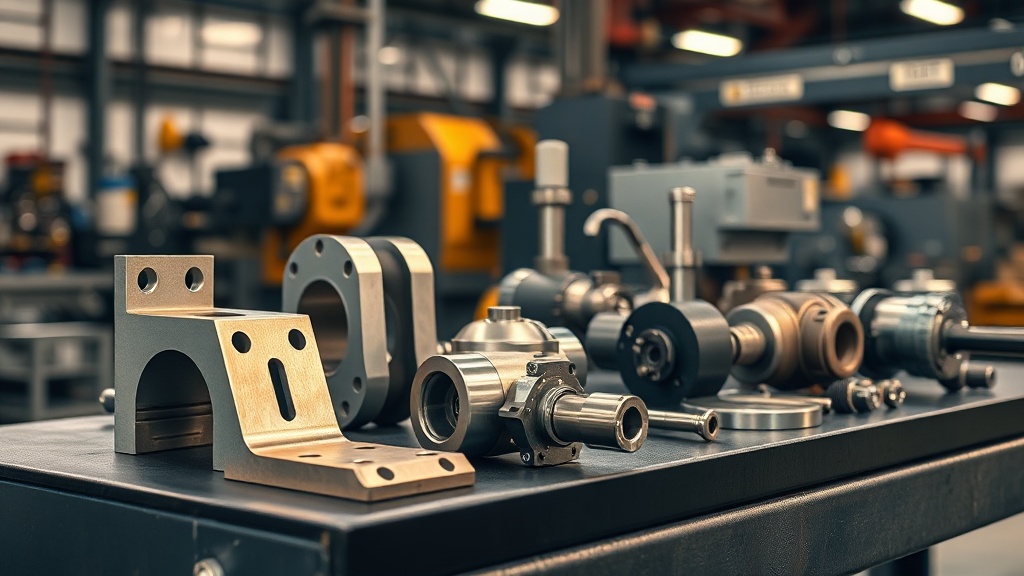
Why Manufacture Consumer Electronics in Canada?
Electronics manufacturing is one of the fastest-growing segments of Canadian manufacturing. Driven by IoT, cleantech, and defense demand, Canadian EMS providers have invested heavily in SMT lines, test infrastructure, and systems integration capabilities.
The Reshoring Opportunity
The era of sending everything to Shenzhen is ending for many electronics brands. Tariffs, IP theft, and supply chain fragility have made nearshore manufacturing the pragmatic choice - especially for products with proprietary technology, regulatory requirements, or North American customer bases.
What Makes Canada Different
- IP Security: No forced technology transfer, strong NDA enforcement, CGP/ITAR-capable facilities
- Quality Infrastructure: IPC-certified workmanship, AOI and X-ray inspection, full traceability
- Speed: Prototype PCBs in 5-7 days, production boards in 2-3 weeks
- Regulatory: CSA, UL, FCC, and IC compliance expertise in-house
- Integration: Many shops offer mechanical + electrical + firmware under one roof
The Hybrid Model
Many successful electronics brands use a hybrid approach: components sourced globally, assembled in Canada. This captures the cost advantage of Asian component pricing while maintaining quality control, IP protection, and fast iteration at the assembly level.
Best Processes for Consumer Electronics
PCB Assembly (SMT)
Surface-mount technology assembly for printed circuit boards. Canadian EMS providers run high-speed pick-and-place lines with AOI and X-ray inspection.
CNC Machining
Precision aluminum and plastic enclosures machined from solid stock. Ideal for premium consumer electronics with tight tolerances.
Injection Molding
High-volume plastic enclosures, buttons, and internal components with consistent quality.
3D Printing (SLS/MJF)
Rapid prototyping of enclosures and functional components. Test fit, form, and function before committing to tooling.
Materials Guide
| Material | Description | Applications |
|---|---|---|
| FR-4 PCB Substrate | Standard glass-reinforced epoxy laminate for PCBs | Circuit boards, sensor modules, control electronics |
| Aluminum 6061/6063 | Lightweight with excellent thermal conductivity | Heat sinks, device housings, structural frames |
| ABS/PC Blend | Impact-resistant, good EMI shielding when plated | Device enclosures, bezels, battery compartments |
| Polycarbonate | Optically clear, high impact resistance | Display covers, light guides, transparent housings |
Canadian Consumer Electronics Manufacturers
We're currently vetting and onboarding consumer electronics manufacturers across Canada. Join our waitlist to get introduced to our latest trusted suppliers.
Join the WaitlistCanada vs. Overseas: Cost Comparison
Electronics manufacturing is component-driven. Many components ship from Asia regardless of assembly location. The advantage of Canadian assembly is quality control, IP protection, faster iteration, and tariff-free access to North American markets.
Tariff & Reshoring Advantages
- CUSMA duty-free entry to US markets for qualifying electronics assembled in Canada
- Canada's surtaxes on Chinese-origin goods make domestic assembly cost-competitive
- CGP-registered and ITAR-compliant facilities available for defense and controlled electronics
- Strong IP protection - critical for proprietary electronics designs
- Proximity enables just-in-time inventory and rapid ECO implementation
Frequently Asked Questions
Can I get full turnkey electronics manufacturing in Canada?
What certifications do Canadian electronics manufacturers hold?
What's the minimum order for PCB assembly in Canada?
How do I protect my electronics IP when manufacturing in Canada?
Get Matched With a Canadian Electronics Manufacturer
Ready to manufacture consumer electronics in Canada? Join our waitlist and we'll connect you with trusted Canadian manufacturers.
Or email us at hello@theassembly.io
Related Manufacturing Guides
How to Manufacture Aerospace Components in Canada
Guide to manufacturing aerospace components in Canada. CNC machining, additive manufacturing, and sheet metal fabrication from AS9100-certified Canadian aerospace suppliers.
How to Manufacture Agricultural Equipment in Canada
Guide to manufacturing agricultural equipment in Canada. CNC machining, welding, and metal fabrication for farm machinery and components from experienced Canadian manufacturers.
How to Manufacture Automotive Accessories in Canada
Guide to manufacturing automotive accessories in Canada. Injection molding, CNC machining, and 3D printing for aftermarket and OEM automotive parts from Canadian manufacturers.
Manufacturing intel.
Every Tuesday.
Real costs, vetted Canadian suppliers, and government funding alerts. One free email a week.
Unsubscribe anytime. Your data stays in Canada.